طبق آماری که مدیریت کسبوکارهای کوچک (SBA) در امریکا منتشر کرده، حدود 30% استارتاپها در طول 2 سال اول، 50% آنها در طول 5 سال اول و 66% آنها در 10 سال اول شکست میخورند و فقط 25% استارتاپها به 15 سال میرسند. این حقیقت تلخی است، اما خوب، شما نباید ناامیدشوید! اکثر بنیانگذاران میلیاردری امروزی حداقل دو استارتاپ ناموفق در کارنامهشان داشتهاند. این که شما بتوانید نگاه درستی به استارتاپتان داشته باشید و به موقع تصمیم بگیرید، میتواند استارتاپ شما را جزو همین 25% استارتاپهای موفق نماید.
سنجههای زیادی وجود دارند که میتوانند در موفقیت استارتاپ شما تاثیر بگذارند. مطمئنا نرخ رشد درآمد یکی از مهمترین معیارهای سنجش استارتاپها میباشد و شاخص خوبی برای نشان دادن سرعت رشد استارتاپها به شمار آید. اما این تنها معیاری نیست که شما باید نگران آن باشید. اگر شما میخواهید که استارتاپ موفقی داشته باشید، نباید فقط روی این معیار تمرکز کنید. نیل پاتل، بنیانگذار Neil Patel Digital و یکی از برترین بازاریابهای دنیا معتقد است که شما باید نگاه ویژهای به معیارهای سنتی داشته باشید تا بتوانید استارتاپتان را به کسبوکار موفقی تبدیل نمایید. نیل پاتل از چهرههای شناخته شده دردنیای بازاریابی میباشد و توسط سازمان ملل جزو صدکارآفرین برتر زیر 35 سال انتخاب شده است. 9 معیاری که در ادامه آنها را بررسی میکنیم از زبان نیل پاتل بیان شدهاند.
1) هزینه کسب مشتری (CAC)
هر کسبوکاری برای اینکه زنده بماند، به مشتری نیاز دارد. CAC از مهمترین سنجهها، مخصوصا در مراحل اولیه رشد استارتاپها میباشد. ولی جذب کاربر امری هزینهبر است. سوال اینجاست که این هزینه چقدر است و آیا سودآور است؟
در محاسبه هزینهی CAC برای یک دورهی معین، شما باید هزینههای فروش وبازاریابی را برتعداد مشتریانی که در آن دوره انتخاب کردهاید، تقسیم کنید. هزینهی بالای CAC به این معنیست که شما پول بسیار زیادی را برای جذب مشتریان خود خرج کردهاید. برای کاهش این هزینه شما باید صفحات ثبت نام و لندینگ پیجتان را بهینه کنید. پلتفرم Optimizely ابزار قدرتمندی برای تست متغیرهای متنوع در یک صفحه وب است. ما در مورد هزینه کسب مشتری در ادامه بیشتر صحبت خواهیم کرد.
2) حفظ مشتری
بیشتر استارتاپها به قدری غرق جذب مشتری جدید میشوند که مشتریهای فعلی خود را فراموش میکنند. شما باید این طرز فکر را کنار بگذارید تا مشتریان فعلیتان را از دست ندهید. مهمترین چیزی که شما باید یاد بگیرید، این است که هیچوقت تنها روی یک چیز تمرکز نکنید. در بیشتر استارتاپها هزینه کسب مشتری 6 تا 7 برابر بیشتر از حفظ مشتری فعلی است. همینطور اگر بخواهیم هزینهی معامله با مشتریان جدید را نسبت به فروش بیشتر به مشتریهای فعلی مقایسه کنیم، چیزی حدود چهار برابر آن خواهد بود. همهی اینها را گفتیم تا شما بدانید که نباید مشتریان فعلی خود را نادیده بگیرید.
ما کلا سه نوع مشتری داریم:
مشتری فعلی: مشتری فعلی که نیازی به توضیح ندارد و از نامش مشخص است. مهم این است که شما بدانید چطوری میتوانید مشتریان فعلیتان را راضی نگه دارید؟ اگر جواب آن را نمیدانید، پس از مشتریان بپرسید. مردم دوست دارند که با شما صحبت کنند و نظرشان را به شما بگویند!
مشتری غیرفعال:
مشتریان غیرفعال افرادی هستند که از محصولات شما استفاده نمیکنند یا
اینکه کم استفاده میکنند. در اینباره نیز بهتر است که علت را از آنها
سوال کنید. این مشتریان منبع سودمندی برای کسب وکار شما هستند و میتوانند
به بهبود محصولات و خدمات مشتری شما کمک کنند.
در مورد گروه سوم نیز در بخش بعدی صحبت میکنیم.
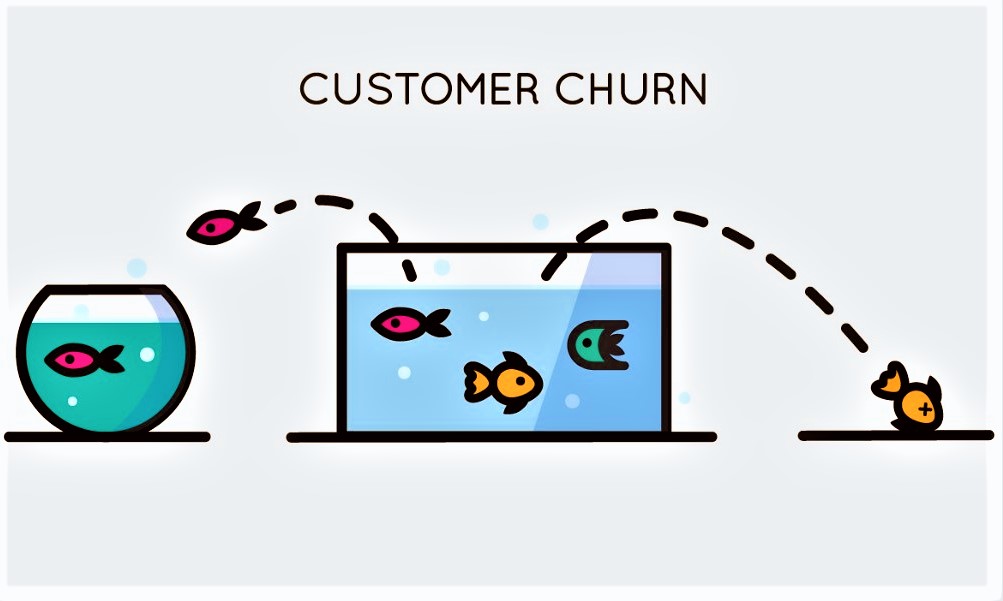
3) نرخ ریزش یا رویگردانی
ریزش یا رویگردانی سنجه مهم دیگری است که شما باید آن را به خاطرتان بسپارید. این سنجه تعداد مشتریانی را نشان میدهد که دیگر از محصول یا خدمات شما استفاده نمیکنند. برخی از استارتاپها هر ماه نرخ ریزش خود را اندازه میگیرند. برخی دیگر نیز هر سه ماه آن را اندازه میگیرند تا مشتریان غیرفعالی که در آینده ممکن است دوباره محصولات را استفاده کنند، با مشتریان که چنین قصدی را ندارند، اشتباه گرفته نشود.
این ریزش برای تمامی کسبوکارها اتفاق میافتد و شما باید از قبل آمادگی داشته باشید. مهم این است که شما بفهمید تا چه سطحی از این ریزش هنوز برای شما سودآور است. به هر حال بهتر است بدانید که احتمال ریزش مشتری دو برابر جذاب مشتریست!
این سنجه میتواند انگیزهی خوبی برای تحریک شما باشد تا به دنبال دلیل استفاده نکردن از محصول یا خدماتتان بروید و آن را کشف کنید.
اگر شما مشتریانی دارید که دیگر از محصولات شما استفاده نمیکنند، سعی کنید با آنها تماس بگیرید و با آنها مصاحبه کنید. شما میتوانید این کار را بصورت تلفنی یا با ایمیل انجام دهید ولی پیشنهاد میکنیم بصورت تلفنی با مشتریان خود صحبت کنید.
4) ارزش طول عمر مشتری
ارزش طول عمر مشتری که بیشتر بصورت مخفف LTV شناخته میشود، در واقع میزان سودی است که شما انتظار دارید تا هر مشتری در طول زمانی که از کسبوکارشما استفاده میکند، برای شما به ارمغان آورد. شما باید برای محاسبه ارزش طول عمر مشتری بیشترین مدت زمانی که آنها با شما میمانند را بدانید. این میتواند شش ماه، دوازده ماه یا بیشتر باشد. به این ترتیب شما سودی که ماهیانه از هر مشتری انتظار دارید را در مدت زمان موردنظر ضرب میکنید و LTV را بدست میآورید. به یاد داشته باشید که شما باید هزینههای مربوط به محصول مثل نصب و نگهداری را نیز در نظر بگیرید.
کاملا مشخص است که هزینه کسب مشتری باید از مقدار ارزش طول عمر مشتری کمتر باشد. اگر مقدار CAC شما از LTV باشد، استارتاپ شما شکست میخورد. برای همین است که سنجه CAC قاتل استارتاپها نامیده میشود. برای سرویسهایی شبیه SaaS مقدار LTV باید سه برابر CAC باشد. هدف این است که شما مقدار CAC را در کمتر از 12 ماه بهبود ببخشید وگرنه برای رشد کسبوکارتان نیاز به سرمایه زیادی خواهید داشت.
5) متابولیسم محصول
متابولیسم محصول، سنجهای است که توسط Dustin Dolginow، سرمایهگذار کسب و کارهای نوپا ایجاد شده است و در واقع سرعت تصمیمگیری و رشد شرکت را اندازه میگیرد. همانند متابولیسم بدن، متابولیسم محصول نیز در مراحل اولیه شروع استارتاپ در سطح بالایی میباشد ولی با رشد استارتاپ، مقدار این متابولیسم کاهش مییابد. این موضوع در مورداستارتاپهای کوچک سودمند است اما میتواند برای شرکتهای بزرگ مضر باشد. در بیشتر موارد شرکتهای بزرگ نمیتوانند به سرعت به نیاز مشتریهای فعلی خود پاسخ دهند و این میتواند سنجه حفظ مشتری را تحت تاثیر قرار دهد.
همانند بقیه سنجهها مدیریت متابولیسم محصول میبایست حالت تعادلی داشته باشد. اگر بیش از حد سریع باشید منجر به عدم تعادل خواهد شد و اگر کند باشید مشتریان ناراضی خواهید داشت.
6) ضریب ویروسی
این سنجه رشد سازمانی شرکت را اندازه میگیرد. معمولا هر استارتاپی کار خود را با دعوت دوستانش برای استفاده از محصول شروع میکند و اگر محصول خوب باشد، پس این کاربران دوستان خود را جذب میکنند و این روند ادامه پیدا میکند و مثل یک ویروس تکثیر میشود. راههای دیگر برای ویروسی کردن محصول میتواند از طریق اشتراک گذاری در شبکههای اجتماعی مثل ارسال ایمیل یا پروموت در توییتر و فیسبوک نیز انجام پذیرد.
در هنگام محاسبهی ضریب ویروسی شما سه ورودی خواهید داشت:
مجموعه اولیه مشتریان
تعداد دعوت نامههایی که به هر مشتری جدید ارسال می شود
درصد دعوتنامههایی که قبول میشوند.
ضریب ویروسی مثبت، میتواند چهار مفهوم را با خود همراه داشته باشد:
شما به مشتریان خود تجربهی کاربردی مثبتی را منتقل کردهاید
شما یک محصول خوب یا بازار مناسب را یافتهاید
هزینه کسب مشتری کم بوده است
شما احتمالا سود بالایی بدست خواهید آورد
بهترین روش برای بهبود ضریب ویروسی ایجاد انگیزه برای استفاده از محصولتان است. مثلا آپ Hashable نمونهی بسیار خوبی برای تایید این جمله میباشد. Hashable به نوعی جایگزین بیزینس کارت بوده و شما از طریق آن به آسانی میتوانید اطلاعات تماس خود را به مشتریان یا افرادی که در کنفرانس، میتینگ و هر رویدادی که ملاقات میکنید، ارائه دهید. در حالی که مردم از این آپ استفاده میکنند، برای اشتراکگذاری اطلاعاتشان افراد دیگر را هم به استفاده از آن دعوت میکنند و به این ترتیب تعداد کاربران افزایش مییابد.
7) نرخ رشد درآمد
درآمد یکی از مهمترین سنجههایی است که شما باید به آن توجه کنید. درآمد معمولا با نامهای "فروش" یا "درآمد فروش" نیز گزارش میشود و با خرید محصولات یا خدمات شما بدست میآید. البته درآمد فقط مربوط به فروش نیست و تمامی هزینههای دیگر را نیز شامل میشود.
معمولا درآمد به آسانی بدست نمیآید. مثلا شرکتهایی که خدماتی مثل SaaS را ارائه میدهند، میتوانند مثال خوبی باشند. مشتریان آنها معمولا پرداختهای جزئی دارند و اینگونه نیست که درآمد به یکباره بدست آید. قراردادهای طولانی و پیشپرداخت میتواند از بروز چنین مشکلاتی جلوگیری کند.
برای افزایش درآمد، تلاشتان رو روی تبدیل مشتریان فعال به مشتریان پرداختکننده بگذارید. به سنجه بعدی دقت کنید.
8) فعالسازی (Activation)
فعالسازی سنجه دیگری است که نرخ تبدیل بازدیدکنندگان محصول به مشتریان فعال را اندازهگیری میکند. این فعالسازی میتواند با ثبتنام در سایت یا با یک دانلود و امثال اینها انجام پذیرد. نرخ تبدیل بالا به این معنی است که بازدیدکنندگان یک تجربه کاربری خوبی در همان ابتدا داشتهاند. نرخ فعالسازی پایین نیز به این معنی است که محصول شما زیاد جالب نیست و مشتریان هیچ کششی برای خرید محصول پیدا نکردهاند.
خدماتی مثل SaaS معمولا از فعالسازی به عنوان روشی برای جذب مشتریان و دنبالکنندهها در مراحل اولیه کسبوکار خود استفاده میکنند و امیدوارند که تجربه کاربری خوب مردم را برای استفاده از مزایای اضافیتر جذب نماید.
برای اینکه نمونهی موفقی از Activation را ببینید به استارتاپ ToDoist سر بزنید.
9) پیشنهاد و توصیه به دیگران
این سنجخ که با نام referral نیز شناخته میشود، کاملا شبیه سنجه ضریب ویروسی است و شما باید آن را بصورت مستقل اندازهگیری کنید. برای محاسبه این سنجه شما فقط باید درصد کاربرانی که از مشتریهای فعلی شما دعوت میشوند را اندازه بگیرید. یک روش خوب برای تعیین نرخ referral این است که به هنگام ثبتنام کاربر از آنها بپرسید که آیا در مورد شرکت یا محصولات شما، چیزی شنیدهاند یا نه؟
نرخ referral بالا و هزینه کسب مشتری(CAC) پایین میتواند منجر به سود شود. اضافه کردن یادآوریهای گاهبهگاه به محصولات روش عالی برای افزایش نرخ referral میباشد. احتمالا شما این روش را در برنامههای گوشیتان زیاد دیدهاید که از شما میپرسند!
همانطور که مشاهده کردید تمامی این سنجهها به هم وابسته هستند. شاید اندازهگیری و مدیریت تمامی این سنجهها مخصوصا در مورد استارتاپهای کوچک مشکل باشد و شما زمان کافی برای آن را نداشته باشید. شما میتوانید در ابتدا تنها روی درآمد، هزینه کسب مشتری، ارزش طول عمر مشتری و نرخ ریزش تمرکز کنید زیرا این چهار مورد در ابتدا بیشترین تاثیر را روی استارتاپ دارند. پس از آن روی 5 سنجه دیگر تمرکز کنید تا بتوانید استارتاپ خود را به کسبوکاری بزرگ تبدیل کنید. بنظر شما چه سنجههای دیگری هستند که میتوانند روی استارتاپها تاثیر بگذارند؟
According to the statistics published by the Small Business Administration (SBA) in the United States, about 30% of startups fail within the first 2 years, 50% of them within the first 5 years, and 66% of them within the first 10 years, and only 25% of startups reach 15 years. This is a bitter truth, but well, you should not be discouraged! Most of today's billionaire founders have had at least two unsuccessful startups in their records. Being able to have the right perspective on your startup and making timely decisions can place your startup among the same 25% of successful startups.
There are many metrics that can impact the success of your startup. Certainly, revenue growth rate is one of the most important metrics for measuring startups and is a good indicator of the growth speed of startups. However, this is not the only metric you should be concerned about. If you want to have a successful startup, you should not focus solely on this metric. Neil Patel, founder of Neil Patel Digital and one of the top marketers in the world, believes that you should pay special attention to traditional metrics to turn your startup into a successful business. Neil Patel is a well-known figure in the marketing world and has been selected by the United Nations as one of the top 100 entrepreneurs under 35. The 9 metrics we will discuss next are presented by Neil Patel.
1) Customer Acquisition Cost (CAC)
Every business needs customers to survive. CAC is one of the most important metrics, especially in the early stages of startup growth. However, acquiring users is costly. The question is, how much does it cost and is it profitable?
To calculate the CAC for a specific period, you need to divide the sales and marketing expenses by the number of customers acquired during that period. A high CAC means that you have spent a lot of money to acquire your customers. To reduce this cost, you need to optimize your signup pages and landing pages. The platform Optimizely is a powerful tool for testing various variables on a webpage. We will discuss customer acquisition costs in more detail later.
2) Customer Retention
Most startups become so engrossed in acquiring new customers that they forget about their current customers. You need to set aside this mindset to avoid losing your existing customers. The most important thing you need to learn is to never focus solely on one thing. In most startups, the cost of acquiring a customer is 6 to 7 times higher than retaining an existing customer. Similarly, if we compare the cost of dealing with new customers to selling more to existing customers, it will be about four times that. We mention all this so you know that you should not ignore your current customers.
We generally have three types of customers:
Current Customer: A current customer needs no explanation and is clear from the name. The important thing is that you know how to keep your current customers satisfied. If you don't know the answer, ask your customers. People love to talk to you and share their opinions!
Inactive Customer:
Inactive customers are individuals who do not use your products or
use them minimally. In this case, it is better to ask them the reason. These customers are a valuable resource for your business and can help improve your products and customer services.
We will discuss the third group in the next section.
3) Churn Rate
Churn or attrition is another important metric that you should keep in mind. This metric indicates the number of customers who no longer use your product or service. Some startups measure their churn rate monthly. Others measure it quarterly to avoid confusing inactive customers who may use the products again in the future with customers who have no such intention.
This churn happens to all businesses, and you need to be prepared in advance. The important thing is that you understand to what extent this churn is still profitable for you. After all, it is better to know that the likelihood of customer churn is twice that of customer acquisition!
This metric can be a good motivation for you to investigate the reasons why customers are not using your product or service and discover it.
If you have customers who no longer use your products, try to reach out to them and interview them. You can do this over the phone or via email, but we recommend speaking to your customers over the phone.
4) Customer Lifetime Value
Customer Lifetime Value, commonly abbreviated as LTV, is the amount of profit you expect each customer to bring you over the time they use your business. To calculate customer lifetime value, you need to know the longest duration they stay with you. This can be six months, twelve months, or more. Thus, you multiply the profit you expect from each customer monthly by the desired duration to obtain LTV. Remember that you should also consider product-related costs such as installation and maintenance.
It is clear that the customer acquisition cost must be less than the customer lifetime value. If your CAC exceeds LTV, your startup will fail. This is why the CAC metric is called the startup killer. For services like SaaS, the LTV should be three times the CAC. The goal is to improve the CAC in less than 12 months; otherwise, you will need a lot of capital to grow your business.
5) Product Metabolism
Product metabolism is a metric created by Dustin Dolginow, a startup investor, and it actually measures the speed of decision-making and company growth. Like the metabolism of the body, product metabolism is high in the early stages of a startup but decreases as the startup grows. This is beneficial for small startups but can be detrimental for large companies. In most cases, large companies cannot quickly respond to the needs of their current customers, which can affect the customer retention metric.
Like other metrics, managing product metabolism should be balanced. If you are too fast, it will lead to imbalance, and if you are slow, you will have dissatisfied customers.
6) Viral Coefficient
This metric measures the organizational growth of the company. Usually, every startup begins by inviting friends to use the product, and if the product is good, these users attract their friends, and this process continues and multiplies like a virus. Other ways to viralize the product can be through sharing on social networks such as sending emails or promoting on Twitter and Facebook.
When calculating the viral coefficient, you will have three inputs:
The initial customer base
The number of invitations sent to each new customer
The percentage of invitations that are accepted.
A positive viral coefficient can imply four concepts:
You have provided your customers with a positive practical experience
You have found a good product or a suitable market
The customer acquisition cost has been low
You are likely to achieve high profits
The best way to improve the viral coefficient is to create incentives for using your product. For example, the app Hashable is a very good example to confirm this statement. Hashable serves as a replacement for business cards, allowing you to easily share your contact information with customers or individuals you meet at conferences, meetings, and any events. As people use this app, they invite others to share their information, thus increasing the number of users.
7) Revenue Growth Rate
Revenue is one of the most important metrics you should pay attention to. Revenue is usually reported as "sales" or "sales revenue" and is obtained through the purchase of your products or services. Of course, revenue is not only related to sales but also includes all other costs.
Revenue is usually not easily obtained. For example, companies that provide services like SaaS can be a good example. Their customers usually make small payments, and revenue does not come in all at once. Long-term contracts and prepayments can prevent such issues.
To increase revenue, focus on converting active customers into paying customers. Pay attention to the next metric.
8) Activation
Activation is another metric that measures the conversion rate of product visitors to active customers. This activation can occur through signing up on the site or downloading, and similar actions. A high conversion rate means that visitors had a good user experience right from the start. A low activation rate means that your product is not very interesting and customers have not found any attraction to purchase the product.
Services like SaaS often use activation as a method to attract customers and followers in the early stages of their business, hoping that a good user experience will attract people to use additional benefits.
To see a successful example of Activation, check out the startup ToDoist.
9) Referral
This metric, also known as referral, is quite similar to the viral coefficient metric, and you should measure it independently. To calculate this metric, you only need to measure the percentage of users who are invited by your current customers. A good way to determine the referral rate is to ask users during registration whether they have heard anything about your company or products.
A high referral rate and a low customer acquisition cost (CAC) can lead to profit. Adding occasional reminders to products is a great way to increase the referral rate. You have probably seen this method a lot in your mobile apps that ask you!
As you can see, all these metrics are interconnected. Measuring and managing all these metrics, especially for small startups, may be challenging, and you may not have enough time for it. You can initially focus only on revenue, customer acquisition cost, customer lifetime value, and churn rate, as these four have the most impact on startups at the beginning. After that, focus on the other 5 metrics to turn your startup into a large business. What other metrics do you think can impact startups?
سپاسگزارم این نکاتی بود که خیلی های متوجه آن نیستند و برای تدوین استراتژی بسیار کاربردی میتواند باشد عالی بود درخصوص طرح توجیهی استارت آپ ( نمونه طرح به درد بخور نه ژورنالی ) چیزی دارید ؟Thank you, these were points that many do not notice and can be very useful for developing a strategy. It was great. Do you have anything regarding the feasibility plan for a startup (a useful sample plan, not a journal one)?







عالی بود
درخصوص طرح توجیهی استارت آپ ( نمونه طرح به درد بخور نه ژورنالی ) چیزی دارید ؟ Thank you, these were points that many do not notice and can be very useful for developing a strategy.
It was great.
Do you have anything regarding the feasibility plan for a startup (a useful sample plan, not a journal one)?