دو Type اصلی SAN عبارتند از:
1- Fibre channel SAN
2- ISCSI SAN
Fibre channel (FC) یک پروتکل لایه دو است و در بسیار از موارد برخلاف اسم پروتکل، همیشه ازFiber optic استفاده نمی کند و به همین دلیل است که به صورت Fibre نوشته می شود.
این پروتکل یکسری از دستورات SCSI را Simulate میکند.
کارت هایی که بر روی سرور نصب می شود تا اتصال آنها را به ساختار Fibre Channel SAN برقرار کند HBA نامیده می شود.
SAN های ISCSI SAN، IP Based نامیده می شوند.
تفاوت میان ISCSI SAN و Fibre channel SAN درلایه ارتباطی میان سرویس دهنده، سوئیچ ها و سرویس گیرنده هاست.
نکته : در مبحث storage باید به License توجه ویژه نمود. بطور مثال یک 24Fabric Switch پورت که خریداری می شود به صورت Default، تنها 8 پورت آن فعال است و باید برای فعال سازی سایر پورت ها، License وارد شود.
امروزه حداکثر سرعت در 8Gbps ، Fibre Channel است اما در ISCSI، حداکثر سرعت 10Gbps است.
باید توجه داشت که می توان سیستم Fiber optic بصورت IP based داشت به عبارت دیگر، Fiber optic یا Copper در هر دو تکنولوژی FC و ISCSI قابل استفاده است. اما پروتکل FC به صورت اختصاصی برای برای Storage Network طراحی شده است.
در پروتکل Ethernet ، هرDevice دارای یک کد Unique بنام MAC Addressاست در پروتکل FCنیز ، هر Device دارای یک کد Unique بنام World Wide Name (WWN)میباشد.
با استفاده از Fiber optic در لایه یک شاهد چند مزیت خواهیم بود:
1-در فواصل طولانی می تواند مورد استفاده قرار بگیرد. در حالیکه کابل Copper ، نیازمندRepeater است.
Error Rate-2 کمی دارد و Signal در Noise، Fiber Opticهای RFI و VMI را که بر کابل های Copper تاثیرگذار است، دریافت نمی کند.
3-در صورت تغییر ساختار در Fiber optic ، لازم به تعویض کابل نیست و تنها کافی است دو سر کابل Fiber optic را تغییر داد اما در مورد کابل Copper ، اگر بخواهیم تکنولوژی را تغییر دهیم، بطور مثال اگر بخواهیم ازGbps به 10Gbps مهاجرت کنیم آنگاه باید اگر از کابل CAT.5e استفاده شده باشد، کابل را به CAT.6a تغییر دهیم. اما در مورد Fiber optic کافی است SFP یا GBIC را تغییر دهیم.
4-در مکان هایی که نیازمند Performance بالا هستیم ، از Fiber optic استفاده می کنیم.
5-روی بسیاری از Storage Element ها، هنوز ISCSI، گسترش نیافته است و لذا اولویت استفاده با Fibre Channel است.
سه مدل Topologyدر FC :
1 . مدل point-to-point : در این Topology، سرورها مستقیما با کابل به سیستم SAN متصل می شود.
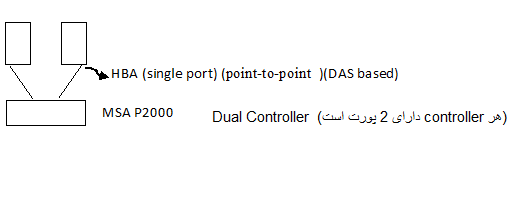
یعنی MSA P2000 به صورت point-to-point به حداکثر 4 سرور متصل می شود.
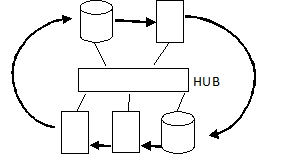
2 . مدل (Arbitrated loop) :FC-AL
در این مدل سرورها و Storageها به یک HUB متصل می شوند و به شیوه ی Token passingبا یکدیگر ارتباط برقرار می کنند. این روش اکنون منسوخ شده است.
3 . مدل Switched-fabric یا FC-SW :
ساختار آن همانند Switching معمولی است که در Ethernet استفاده می شود.
از لحاظ تئوری در مدل FC-AL از 126 Node می توان استفاده کرد. و در مدل FC-SW از 16 میلیون Node می توان استفاده کرد.
نکته : در آخرین تکنولوژی Fiber Optic می توان از 60 کیلومتر Fiber Optic بدونRepeater بر روی 10G استفاده کرد.
در ISCSI نیز دو توپولوژی Point-to-Point و Fabric Switch می تواند مورد استفاده قرار بگیرد
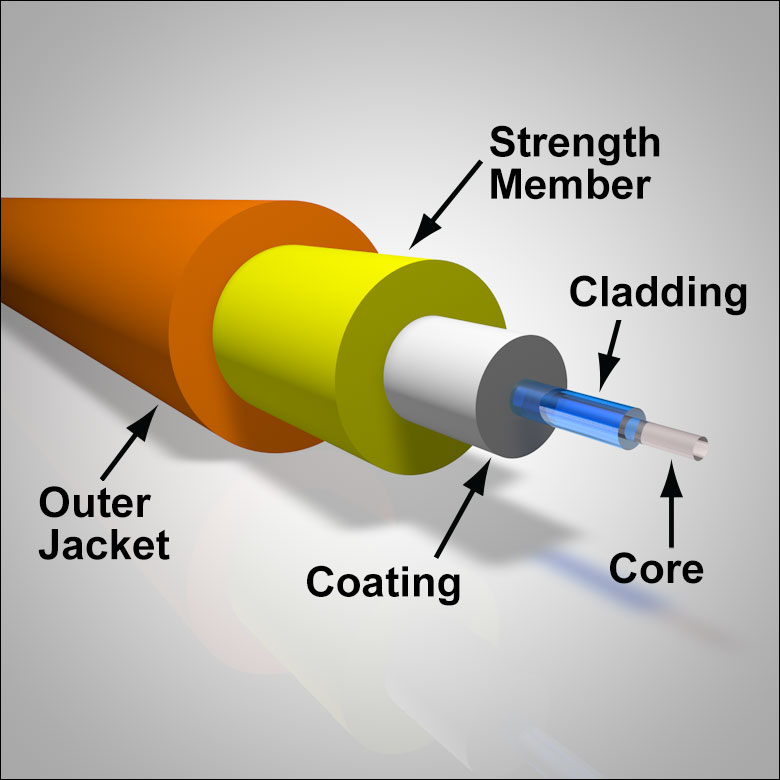
ساختار Fiber optic (از داخل به بیرون)
- Core: نور از این قسمت عبور می کند.
- Cladding: که دور core را احاطه کرده است و شکست نور را کنترل می کند و در واقع نور را درCore نگاه می دارد. زیرا ضریب شکست آن از ضریب شکست core کمتر است.
- Cladding : Buffering را از آسیب محافظت می کند. ( Coating نیز نامیده می شود )
- Strengthening material: دور buffering قرار می گیرد و از تاثیر کشیدگی و شکست بر روی شیشه های داخلی، جلوگیری می کند (از جنس جلیقه های ضد گلوله ساخته می شود)
- Jacket: که آخرین لایه محافظ است.
SFP یا Mini GBIC چیست ؟
یک Connector است که ارتباط میان Patch Cord فیبر نوری و یک Device نظیر سوئیچ و یا کارت HBA را فراهم می کند.
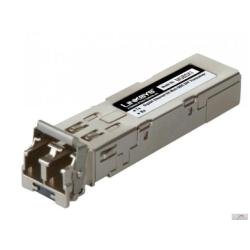
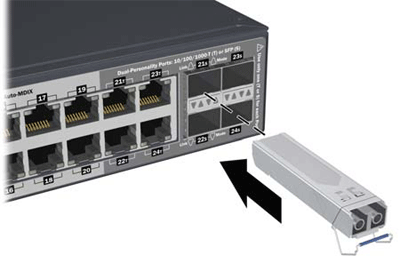
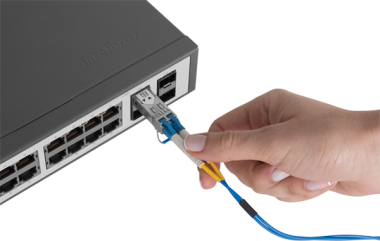
GBIC یا SFP (یا mini GBIC) ، دارای دوDevice است. یک Device لیزری یا LED که Signal را تبدیل به نور می کند و یک Device بنام PIN Photo Divert که نور را تبدیل به Signal می نماید.
اگر Source نور یک SFP ، لیزر باشد ، مسافت بسیار بیشتری را نسبت به LED جا به جا می کند که معمولا در کابل های Single Mode از آن استفاده می شود.
یکی از رشته های کابل برای Send و رشته دیگر برای Receive است لذا ارتباط میان دوSFP یا GBIC باید Crossover باشد همچنین ارتباط میان SAN controller با HBA یک سرور نیز باید Crossover باشد.
آشنایی با مفاهیم ذخیره سازی اطلاعات ( +Storage ) – بخش یکم
The two main types of SAN are:
1- Fibre channel SAN
2- ISCSI SAN
Fibre channel (FC) is a layer 2 protocol and in many cases, contrary to the name of the protocol, it does not always use Fiber optic, which is why it is written as Fibre.
This protocol simulates a series of SCSI commands.
The cards that are installed on the server to establish their connection to the Fibre Channel SAN structure are called HBA.
ISCSI SANs are referred to as IP Based.
The difference between ISCSI SAN and Fibre channel SAN is in the communication layer between the server, switches, and clients.
Note: In the storage discussion, special attention must be paid to the License. For example, a 24 Fabric Switch port that is purchased is by default, only 8 of its ports are active, and to activate the other ports, a License must be entered.
Today, the maximum speed in Fibre Channel is 8Gbps, while in ISCSI, the maximum speed is 10Gbps.
It should be noted that an IP-based Fiber optic system can be used; in other words, Fiber optic or Copper can be used in both FC and ISCSI technologies. However, the FC protocol is specifically designed for Storage Network.
In the Ethernet protocol, each Device has a unique code called MAC Address, and in the FC protocol, each Device has a unique code called World Wide Name (WWN).
Using Fiber optic at layer one offers several advantages:
1- It can be used over long distances, whereas Copper cable requires a Repeater.
Error Rate-2 is low, and Signal in Noise does not receive RFI and VMI Fiber Optics that affect Copper cables.
3- If the structure of the Fiber optic changes, the cable does not need to be replaced; it is only necessary to change the ends of the Fiber optic cable. However, in the case of Copper cable, if we want to change the technology, for example, if we want to migrate from Gbps to 10Gbps, then if CAT.5e cable has been used, the cable must be changed to CAT.6a. But in the case of Fiber optic, it is sufficient to change the SFP or GBIC.
4- In places where high Performance is required, we use Fiber optic.
5- On many Storage Elements, ISCSI has not yet expanded, and therefore the priority of use is with Fibre Channel.
Three Topology models in FC:
1. Point-to-point model: In this Topology, servers are directly connected to the SAN system via cable.
That is, MSA P2000 connects point-to-point to a maximum of 4 servers.
2. (Arbitrated loop) model: FC-AL
In this model, servers and Storage are connected to a HUB and communicate with each other using Token passing. This method is now obsolete.
3. Switched-fabric model or FC-SW:
Its structure is similar to the regular Switching used in Ethernet.
Theoretically, in the FC-AL model, up to 126 Nodes can be used, and in the FC-SW model, up to 16 million Nodes can be used.
Note: In the latest Fiber Optic technology, up to 60 kilometers of Fiber Optic can be used without a Repeater on 10G.
In ISCSI, both Point-to-Point and Fabric Switch topologies can be used.
Fiber optic structure (from inside to outside)
- Core: Light passes through this part.
- Cladding: which surrounds the core and controls the light refraction, effectively keeping the light in the Core because its refractive index is less than that of the core.
- Cladding: Protects the Buffering from damage. (Also called Coating)
- Strengthening material: Surrounds the buffering and prevents stretching and breaking effects on the inner glass (made from bulletproof vest materials)
- Jacket: which is the final protective layer.
What is SFP or Mini GBIC?
It is a Connector that provides the connection between the fiber optic Patch Cord and a Device such as a switch or HBA card.
GBIC or SFP (or mini GBIC) consists of two Devices. One Device is a laser or LED that converts the Signal into light, and another Device called PIN Photo Divert that converts light back into Signal.
If the light Source of an SFP is a laser, it can cover a much greater distance than an LED, which is usually used in Single Mode cables.
One of the strands of the cable is for Send and the other is for Receive, so the connection between two SFPs or GBICs must be Crossover; also, the connection between the SAN controller and the HBA of a server must also be Crossover.
Familiarity with data storage concepts (+Storage) – Part One


دیدگاهها Comments 3