اولین زیر رویداد پردیس سامیت ۲۰۲۱ طی روزهای ۱۸ و ۱۹ آبان ماه در تبریز برگزار شد. سید داوود متولی، دبیر برگزاری رویداد پردیس سامیت در گفتگویی بیان کرد :(( پردیس سامیت رویدادی است برای اکوسیستم استارتاپی کشور که در سال ۱۳۹۷ با همت پارک فناوری پردیس بنیان گذاری شد. این رویداد در مسیر توسعه خود و در راستای ماموریت مرکز شتابدهی نوآوری پارک فناوری پردیس مبنی بر تقویت اکوسیستمهای بومی کشور، در اولین رویداد زیرمجموعه از پردیس سامیت ۲۰۲۱، ورود به استان آذربایجان شرقی و برگزاری در شهر تبریز را در دستور کار خود قرار داد. ))
 سید داوود متولی - دبیر اجرایی رویداد پردیس سامیت
رویداد پردیس سامیت با هدف ایجاد همافزایی، انتقال تجربه و آموزش با رویکردی نوآورانه بین فعالان اکوسیستم استارتاپی، طراحی شده است و دبیرخانه پردیس سامیت در یک برنامه بلند مدت تصمیم دارد با توسعه رویداد پردیس سامیت و حضور بخشهای تاثیرگذار در این اکوسیستم از جمله استارتاپها، سرمایهگذاران، بنگاههای بزرگ اقتصادی، مدیران شتابدهندهها، مدیران فضاهای کار اشتراکی، صندوقهای سرمایه گذاری و علاقمندان اکوسیستم استارتاپی تبدیل به بزرگترین رویداد صاحب سبک استارتاپی در کشور و منطقه شود. این رویداد میزبان سخنرانان بسیاری از تبریز و خارج از شهر تبریز بود که با اجرای النور نقینژاد و استقبال خوب اعضای اکوسیستم تبریز برگزار شد.
روز اول رویداد، ۱۸ آبان ۱۴۰۰
در طی روز اول، مهندس حسن اطاعت به عنوان سخنران حضور داشته و قسمت پنل نیز با حضور آقایان مهندس احمد عطارزاده (بیزینس دولوپر و مدیرعامل اسبق شتابدهنده ایجیتا)، دکتر پیمان کیهانور (مدیرعامل مجموعه شتابدهنده آرتان ۱۱۰۰)، مهندس پیمان نعیمی (بنیانگذار راستچین)، دکتر ناصر فرجزاده (استاد دانشگاه شهید مدنی و فعال در زمینه هوش مصنوعی) و احسان عبدیپور (اجتماعساز و برگزار کننده رویداد - مدیر پنل) ادامه یافت.

سخنرانی مهندس اطاعت در خصوص اکوسیستم استارتآپی
در ابتدای این رویداد، مهندس حسن اطاعت به بررسی جزئیات اکوسیستم استارتآپی پرداخت. وی با تعریف اکوسیستم به عنوان « مجموعهای از جانداران در کنار یکدیگر هستند»، اجزای تشکیل دهنده اکوسیستم را به یک شبکه متصل به هم تشبیه کرد. وی در ادامه کارآفرینان، سرمایهگذاران، دولت، دانشگاهها، منتورها، خدماتدهندگان و همچنین شرکتهای بزرگ را به عنوان شش جزء اصلی یک اکوسیستم استارتآپی معرفی نمود.
در ادامه سخنرانی، مهندس اطاعت نگاهی به جامعه استارتآپی بر اساس نظریه بولدر داشت. بر اساس این نظریه، یک جامعه استارتآپی به دو قسمت اصلی لیدرها (نظیر کارآفرینان) و فیدرها (تغذیهکنندگان نظیر دانشگاهها) تقسیم میشود. نظریه بولدر چه استارتآپهای موفق و چه استارتآپهای ناموفق را در اکوسیستم مهم میداند. همچنین بر اساس این نظریه، موفقیت و شکوفایی یک استارتآپ شاید تا ۲۰ سال زمانبر باشد.
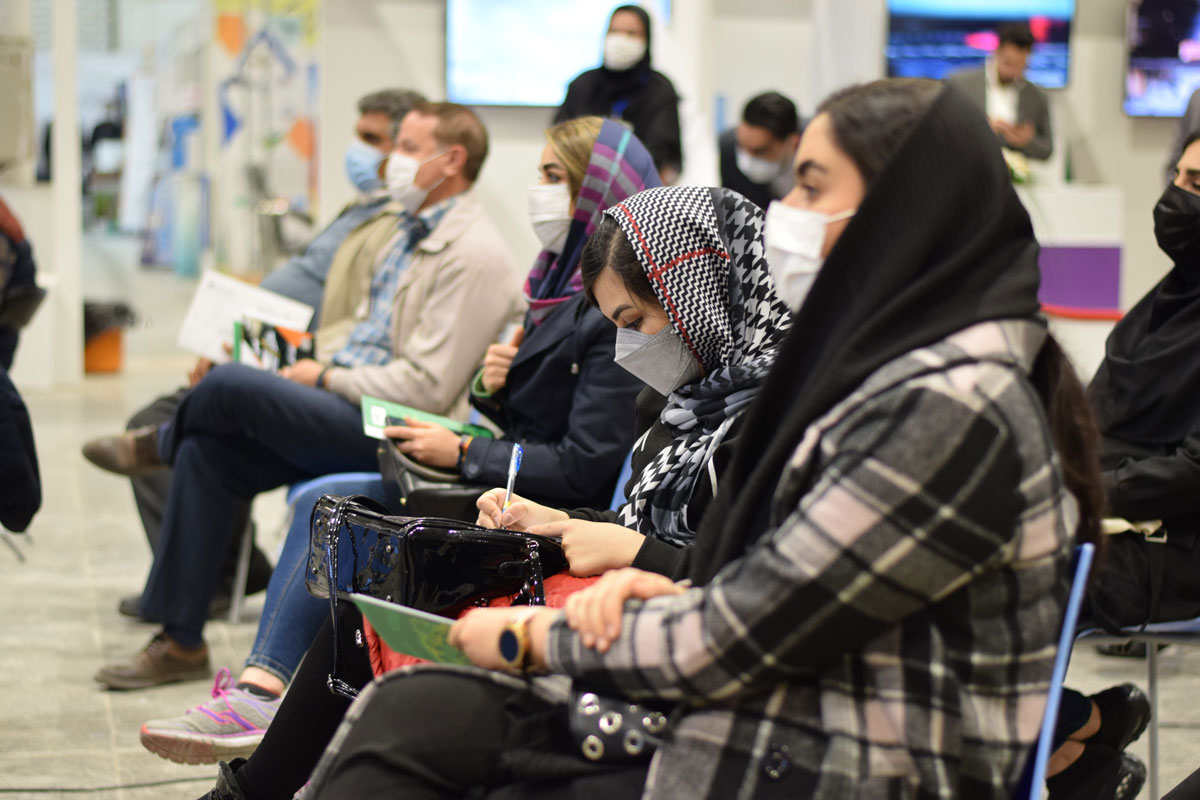
در ادامه مهندس اطاعت با اشاره به عملکرد نامناسب دولت و دانشگاهها در ارائه خدمات بهجا و مناسب، لزوم موفقیت فضای استارتآپی را در همکاری درست تمام اجزای آن دانست. همچنین وی در کنار ۶ عضو معرفی شده، رسانه را نیز به عنوان زبان گویای فضای کسبوکار و عضو هفتم اکوسیستم استارتآپی معرفی کرد.
مهندس اطاعت در بخش آخر سخنرانی خود از استارتآپها دعوت کرد تا بهانهها را کنار گذاشته و با قدرت به کار خود ادامه دهند. وی با تشبیه یک ایده به دانه، بیان کرد که ممکن است یافتن خاک مناسب برای رشد مدتی زمانبر باشد.
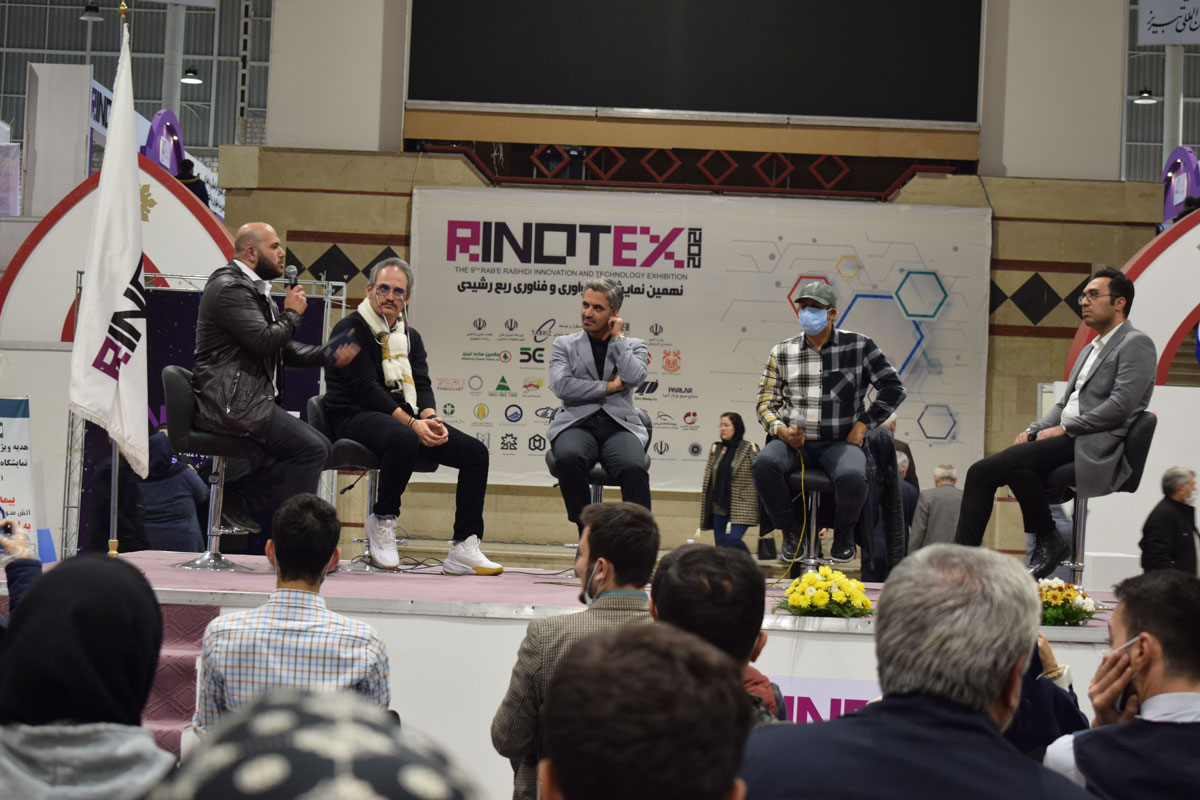 اعضای پنل از سمت راست: مهندس پیمان نعیمی - دکتر پیمان کیهانور - دکتر ناصر فرجزاده - مهندس احمد عطارزاده - احسان عبدیپور
پنل روز اول: بررسی اکوسیستم استارتاپی ایران و تبریز
قسمت آخر از اولین روز رویداد پردیس سامیت به پنل اختصاص یافت. در این پنل آقایان عطار زاده، فرج زاده، کیهانور، نعیمی و عبدیپور به بررسی فضای استارتآپی ایران و تبریز پرداختند.
در ابتدای پنل مهندس عطار زاده در مورد نقش اکوسیستمهای استارتاپی و انواع آنها صحبت کرد. او معتقد بود دولت باید زیرساختهای لازم را فراهم کرده و بخش خصوصی اقداماتی که باعث شکوفایی استارتاپها میشوند را بر عهده بگیرد.
در ادامه دکتر کیهانور با اشاره به شکلگیری میکرو اکوسیستمهای استارتآپی در شهر تبریز، از عدم حضور خیرین سرمایه گذار ( فرشتگان سرمایه گذاری) در چرخه فناوری در سالهای اخیر گلایه کرد. وی بیان کرد که اکوسیستم دارای اجزای زده و غیر زندهای بوده و یکسری فرآیندها در داخل آن شناورند. این فرآیندها توانایی گسترش اکوسیستم را دارند؛ اما در حال حاضر مشکل ما مربوط به همین موضوع میشود.
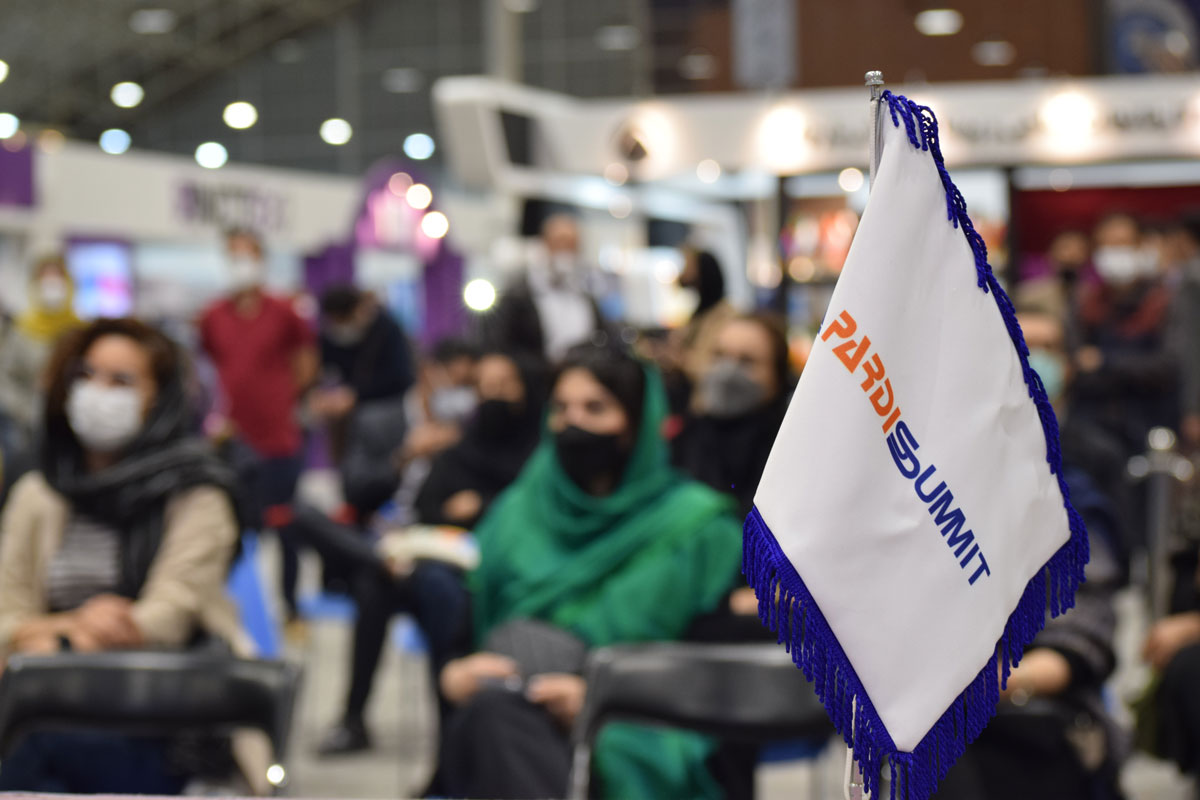
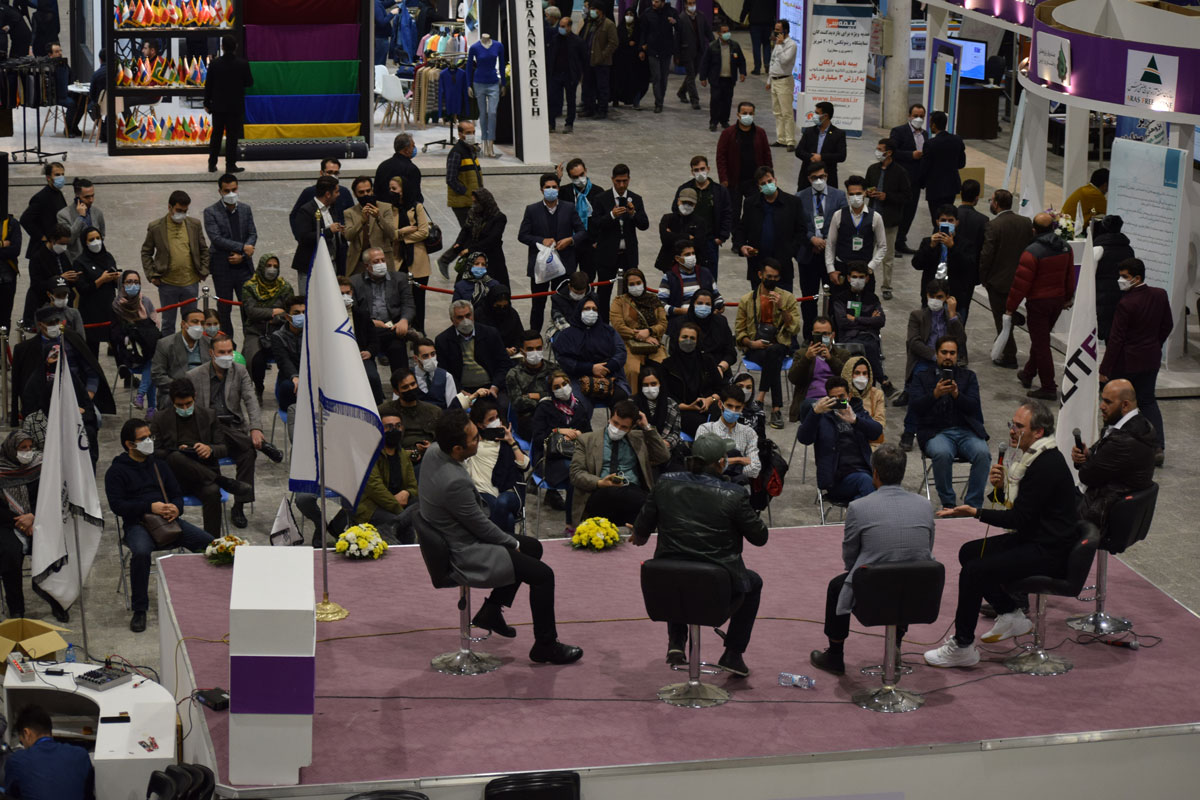 استقبال از پنل بررسی اکوسیستم استارتاپی ایران و تبریز
در ادامه دکتر فرجزاده بیان کرد که از نظر وی در حال حاضر چیزی به نام اکوسیستم در ایران وجود نداشته و وجود چنین فضایی، تنها ناشی از تصورات اشتباه ماست.
پس از بحث و گفتوگو بین سخنرانان پنل در این باره، از آقای نعیمی سوالی با این مضمون پرسیده شد: با توجه به اینکه در حوزه استارتاپی IT مشکل بسیاری وجود دارد، استارتاپهایی نظیر راستچین چگونه موفق شدند؟
وی در پاسخ به این سوال بیان کرد که نباید امید زیادی به مطالبهگری از دولت و نهادهای دولتی را داشت و تنها باید به تلاش تیمی خود استارتآپ اکتفا کرد. از نظر وی همه موفقیتها و شکستها به خود استارتآپ دارد. در نهایت پس از بحث و گفتوگوهای بسیار در خصوص منشا مشکلات استارتآپها، روز اول رویداد پردیس سامیت در تبریز به پایان رسید.
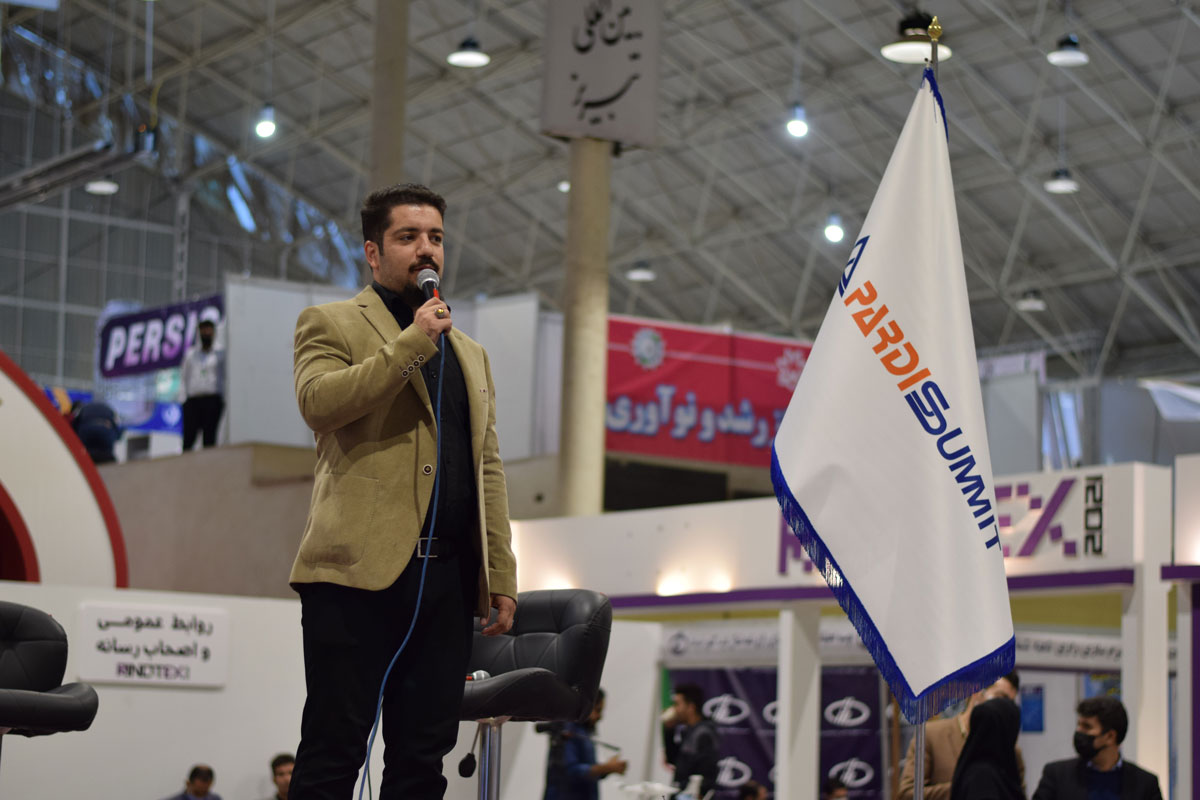 النور نقی نژاد - مجری زیررویداد پردیس سامیت در تبریز
روز دوم رویداد، ۱۹ آبان ۱۴۰۰
روز دوم رویداد با سخنرانی آقایان روزبه شاهرخی، وحید فخری و مرتضی دانش ادامه یافت. در نهایت نیز یک پنل گفتوگو با حضور مهندس عطازاده و سخنرانان همان روز شکل گرفت.
 سخنرانی مهندس روزبه شاهرخی
سخنرانی مهندس روزبه شاهرخی در خصوص نوآوری باز
مهندس شاهرخی سخنرانی خود را با مطالعه موردی عملکرد شرکت شِل پس از کاهش قیمت نفت آغاز کرد. شل به جای تکیه بر منابع داخلی، ترجیح داد تا از دانش بیرونی استفاده کند و این تصمیم به موفقیت شرکت شل ختم شد. مهندس شاهرخی با نتیجهگیری از این اقدام، بیان کرد که نوآوری باز باعث خواهد شد که شرکتها با هزینه کم و سرعت بیشتر به سمت فناوری حرکت کند. آمارهای ارائه شده نشان میدهد که شرکتهای نوآور صنعت نفت در عرض ۵ سال بیش از سه برابر میانگین شرکتهای جهان بازدهی داشتند.
در نهایت مهندس شاهرخی با مقایسه پارادایمهای نوآوری باز و نوآوری بسته و بررسی مزایایی که نوآوری باز میتواند برای شرکتها ایجاد کند، بر لزوم تغییر رویه شرکتها و استارتآپها تأکید کرد. وی سخنرانی خود را با بررسی اجزای لازم برای ایجاد زیست بوم استارتاپی و نگاهی به زیست بوم استارتاپی صنعت نفت به پایان رساند.
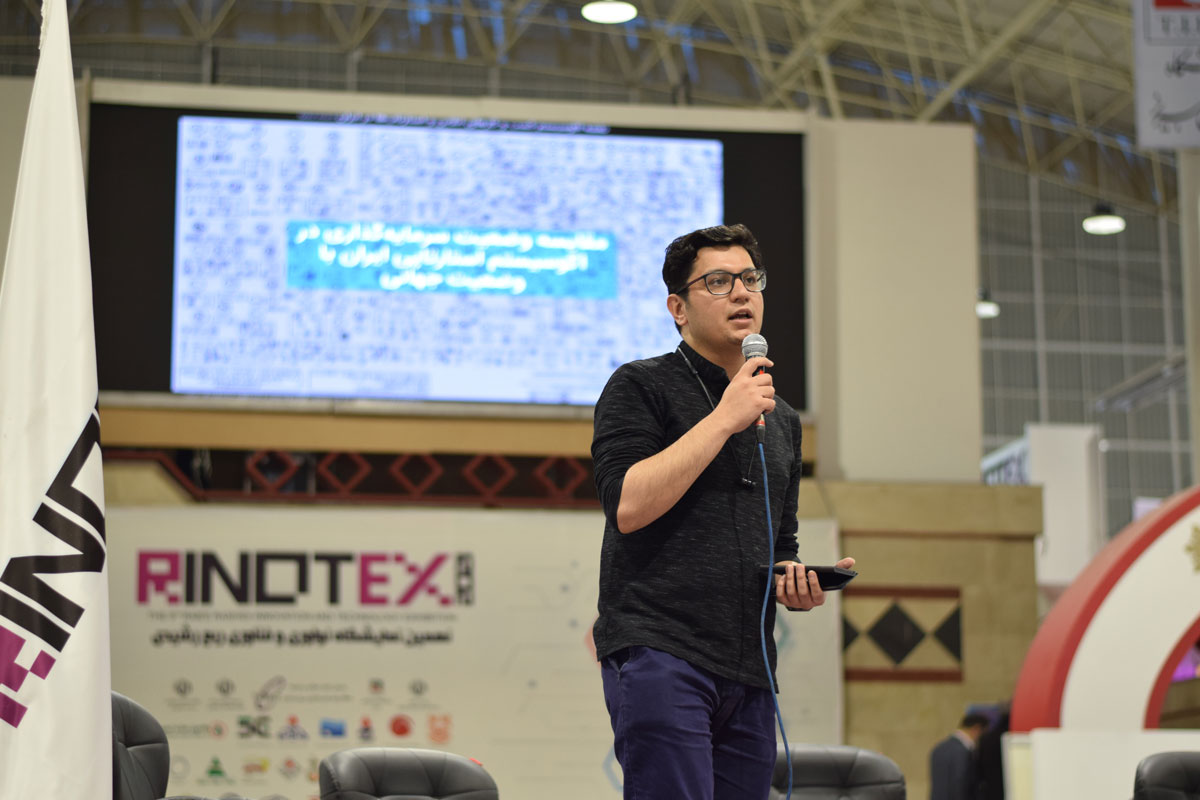 سخنرانی مهندس وحید فخری
سخنرانی مهندس وحید فخری در خصوص سرمایهگذاری در اکوسیستم استارتآپی
در بخش بعدی، مهندس فخری به بررسی میزان سرمایهگذاری بر روی استارتآپها در جهان و سهم ایران از این عدد پرداخت. مقایسه سرمایهگذاریهای خطرپذیر در ایران و جهان نشان میدهد که سهم ایران ۰.۰۰۰۰۲ یا دو صدم درصد جهانی است. این موضوع حتی در شرایط همهگیری کرونا هم تغییری نداشته است.
در ادامه مهندس فخری نسبت تولید ناخالص جهانی با ایران و سهم سرمایهگذاریها از این درآمد را مورد بحث و بررسی قرار داد. آمار و ارقام ارائه شده حاکی از تخصیص ۲ درصدی درآمد حاصل از تولید ناخالص بر روی استارتآپها در کشور آمریکا داشت. این در حالی است که همین نسبت در کشور ایران حدود پانزده صدم درصد است.
ادامه سخنرانی مهندس فخری به بررسی چرخه معیوب اکوسیستم استارتاپی ایران اختصاص یافت. وی با اشاره به نقش دو طرفه کاهش بازده اقتصادی در جذب سرمایهگذار و عدم حضور سرمایهگذاران به دلیل منافع بیشتر در سایر حوزهها، این مشکل را یک چرخه معیوب و نیازمند شکستن دانست.
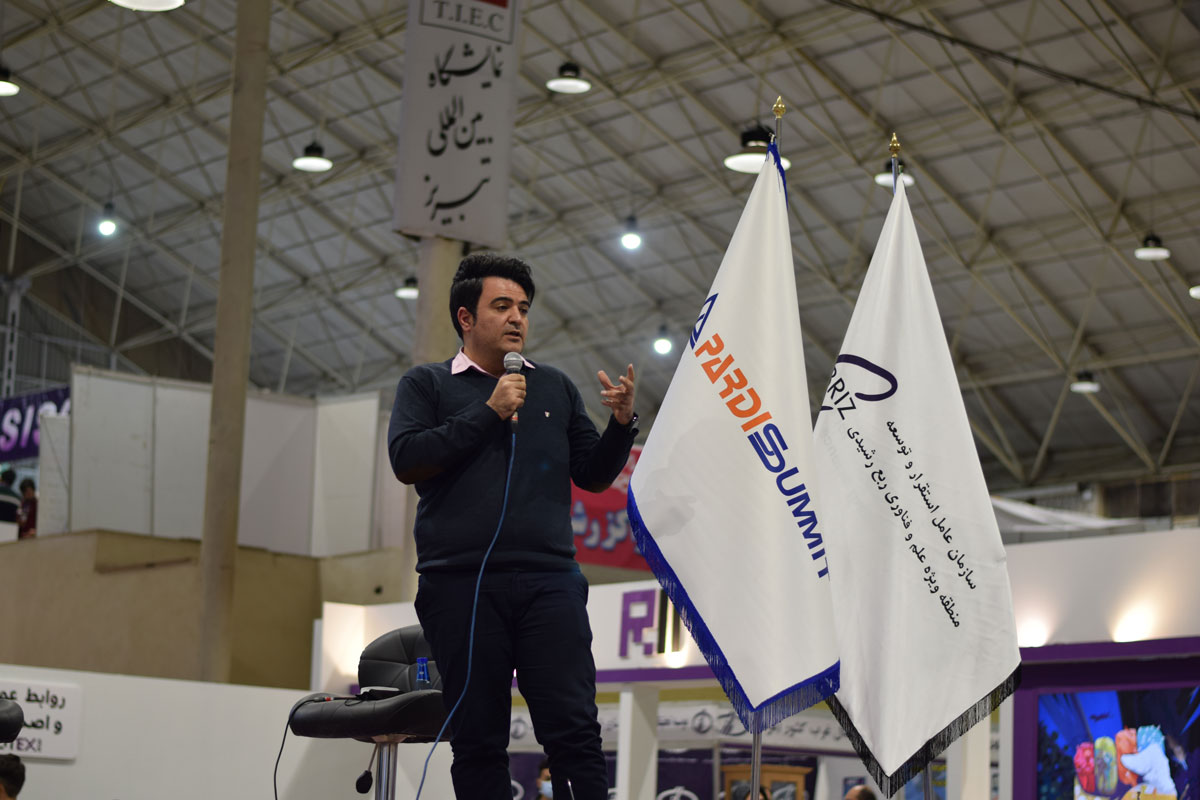 سخنرانی مهندس مرتضی دانش
سخنرانی مهندس مرتضی دانش در خصوص اجزای اکوسیستم استارتاپی
مهندس دانش در آخرین سخنرانی رویداد پردیس سامیت در تبریز، به بررسی اجزای اکوسیستم استارتآپی پرداخت. وی بیان کرد که در حال حاضر در ایران شرکتهای بزرگ و نقشآفرین وارد عرصه استارتآپی نشدهاند؛ اما این موضوع اخیراً در حال بهبود است. علاوه بر این، معضل نبود سرمایهگذاران نیکاندیش یا فرشته نیز باید حل شود. با این وجود مهندس دانش اصلیترین حامیان استارتآپها را خود آنها دانست.
به عقیده وی استارتآپ باید مشکلی از آینده را حل کند؛ اما بیشتر استارتآپهای امروزی حتی جرأت جستوجو در مورد رقبا و راهکارهای ارائه شده در حوزه مورد فعالیت خود را نیز ندارند. در نهایت از نظر مهندس دانش استارتآپها در وهله اول باید خودشان قادر به تأمین مالی بوده و در مراحل بعدی به سرمایهگذاران فرشته و در نهایت سازمانها مراجعه کنند.
در قسمت آخر این بخش، مهندس دانش به بررسی ایرادات و مشکلات شتابدهندهها پرداخت. از نظر وی شتابدهندههای فعلی به دلیل عدم دسترسی به منابع به جای شتابدهنده بودن، گاهی باعث کندی سرعت حرکت استارتآپها میشوند. از طرفی بسیاری از شتابدهندهها توانایی خروج از یک استارتآپ را ندارند. همین موضوع باعث شده تا علیرغم تعدد شتابدهندهها، خروجی مناسبی از استارتآپها نداشته باشیم.
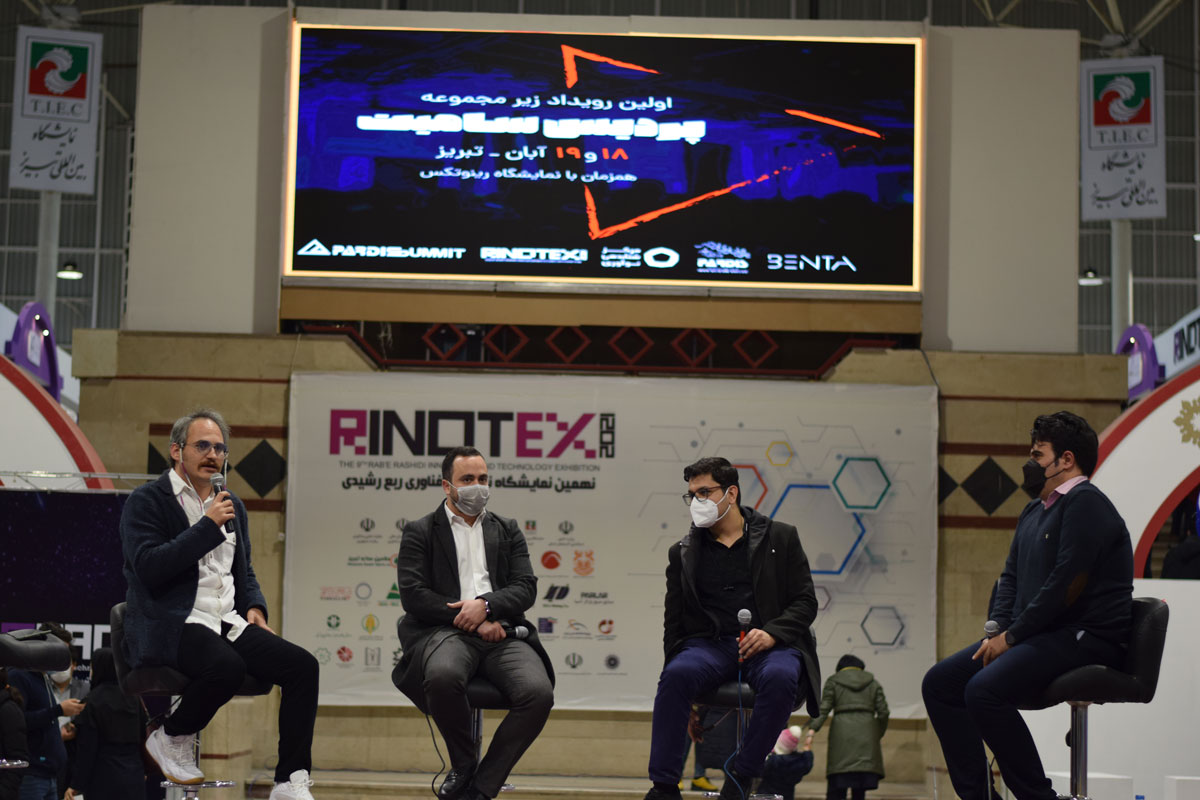 اعضای پنل از سمت راست: مهندس مرتضی دانش - مهندس وحید فخری - مهندس روزبه شاهرخی - مهند احمد عطارزاده
برگزاری پنل روز دوم
همانند روز اول برگزاری، روز دوم رویداد پردیس سامیت در تبریز نیز با پنل گفتوگو خاتمه یافت. در این پنل آقایان عطارزاده، فخری، دانش و شاهرخی به بررسی ریشه مشکلات عدم موفقیت استارتآپها و نقش نهادهای دولتی و سرمایهگذاران در این مورد پرداختند.
مهندس شاهرخی دلیل عدم موفقیت استارتآپها را نبود ارتباط موثر با صنعت و شرکتهای بزرگ حاضر در آن دانست. از نظر وی شرکتها به جای ارائه ایده خود به یک شرکت بزرگ و همکاری با آن، ترجیح میدهند به تنهایی روند را پیش ببرند. از طرفی اغلب استارتآپها به محض ارائه یک محصول، کار خود را تمام شده میدانند؛ این در حالی است که در یک مدل B2B ارائه محصول تنها آغاز راه است. در سمت دیگر شرکتهای بزرگ نیز رغبت زیادی برای همکاری با استارتآپها نشان نمیدهند. این موضوع میتواند به دلیل ترس از سرمایهگذاری و یا تمایل به در دست داشتن روند پیشرفت ایده به طور کامل مرتبط باشد.
در ادامه مهندس دانش این موضوع را از دو بعد ساختاری و تاکتیکال مورد بررسی قرار داد. از نظر وی حمایتهای مالی دولتی تنها باعث ایجاد رانت شده و نتیجهای منفی در این اکوسیستم دارد. به عقیده مهندس دانش، نهادهای دولتی نباید به این صورت در اکوسیستم استارتآپی دخالت داشته باشند.
در ادامه مهندس شاهرخی بیان کرد که برای ریسکپذیری شرکتهای بزرگ و نهادهای دولتی در استفاده از محصولات استارتآپی، باید قانونگذاریهای مشخصی صورت بگیرد؛ در غیر این صورت انتخاب محصولات استارتآپها نه بر اساس شایسته سالاری، بلکه بر اساس قدرتنماییهای نادرست خواهد بود.
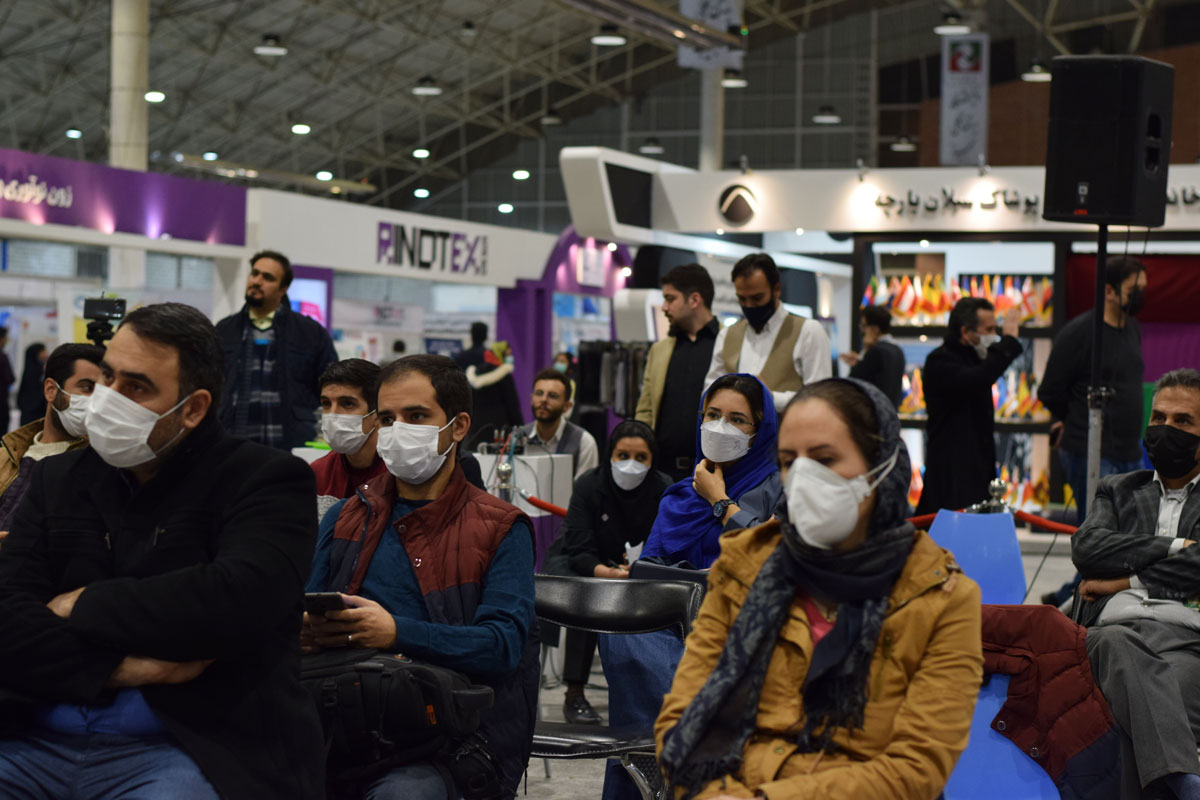
مهندس فخری سوددهی حوزههای دیگر نظیر املاک و خودرو را به عنوان یکی از دلایل عدم رغبت سرمایهگذاری بر روی استارتآپها برشمرد. وی در ادامه بر لزوم وجود سرمایهگذاری خارجی و نقش این سرمایه در رشد و توسعه شرکتهایی نظیر اسنپ و دیجیکالا تأکید کرد.
در ادامه مهندس عطازاده بیان کرد که گاهی شتابدهندهها میتوانند به جای حمایتهای مالی، از ارتباطات گسترده خود استفاده کرده و استارتآپها را به شرکتهای بزرگ فعال در صنعت متصل کنند.
در نهایت مهندس دانش ریشه مشکلات استارتآپها را به خودشان مربوط دانست. از نظر وی استارتآپها توان توضیح ایده خود به زبان ساده را ندارند. از طرفی شکاف بزرگ بین استارتآپها و صنعت، یکی دیگر معضلاتی است که گریبانگیر اکوسیستم شده است. همچنین تلاش برای کپی نمونههای خارجی و عدم توانایی کافی حتی در ایجاد یک کپی باکیفیت، مسئلهای است که هم نهادهای دولتی و هم استارتآپها باید برای حل آن چاره کنند. مهندس دانش بیان کرد که مراکز رشد به جای دانشگاهها، بهتر است در مراکز صنعتی ایجاد شده و مستقیماً ایده را وارد صنعت کنند.
رویداد پردیس سامیت تبریز با بحث و گفتوگو در خصوص مسائلی نظیر طرح صیانت و مشکلات داخلی استارتآپها در انتهای بخش پنل به پایان رسید.
به نظر شما برگزاری رویدادها غیر بومی در تبریز چه کمکی در اکوسیستم تبریز خواهد داشت؟
The first sub-event of the Parids Summit 2021 was held on November 9 and 10 in Tabriz. Seyyed Davood Motavvali, the secretary of the Parids Summit event, stated in an interview: "The Parids Summit is an event for the startup ecosystem of the country, which was founded in 2018 with the efforts of the Parid Technology Park. In its development path and in line with the mission of the Innovation Acceleration Center of the Parid Technology Park to strengthen the local ecosystems of the country, the first sub-event of the Parids Summit 2021 aimed to enter East Azerbaijan Province and hold it in the city of Tabriz."
Seyyed Davood Motavvali - Executive Secretary of the Parids Summit event
The Parids Summit event is designed to create synergy, transfer experience, and education with an innovative approach among the actors of the startup ecosystem, and the Parids Summit secretariat has a long-term plan to develop the Parids Summit event and involve influential sectors in this ecosystem, including startups, investors, large economic enterprises, accelerator managers, co-working space managers, investment funds, and enthusiasts of the startup ecosystem, to become the largest stylistic startup event in the country and the region. This event hosted many speakers from Tabriz and outside the city, which was held with the presentation of Eleanor Naghi Nejad and good reception from the Tabriz ecosystem members.
Day One of the Event, November 9, 2021
On the first day, Engineer Hassan Etaat was present as a speaker, and the panel continued with the presence of Mr. Ahmad Attarzadeh (Business Developer and former CEO of the AGTA accelerator), Dr. Peyman Kiyhanvar (CEO of the Artan 1100 accelerator), Engineer Peyman Naeimi (founder of Rastchin), Dr. Nasser Farajzadeh (professor at Shahid Madani University and active in artificial intelligence), and Ehsan Abdi Pour (community builder and event organizer - panel manager).
Engineer Etaat's Speech on the Startup Ecosystem
At the beginning of this event, Engineer Hassan Etaat examined the details of the startup ecosystem. He defined the ecosystem as "a collection of living beings together," likening the components of the ecosystem to a connected network. He introduced entrepreneurs, investors, government, universities, mentors, service providers, and large companies as the six main components of a startup ecosystem.
During his speech, Engineer Etaat looked at the startup community based on the Boulder theory. According to this theory, a startup community is divided into two main parts: leaders (such as entrepreneurs) and feeders (such as universities). The Boulder theory considers both successful and unsuccessful startups important in the ecosystem. Additionally, according to this theory, the success and flourishing of a startup may take up to 20 years.
Engineer Etaat continued by pointing out the inadequate performance of the government and universities in providing timely and appropriate services, stating that the success of the startup space relies on the proper collaboration of all its components. He also introduced the media as the seventh member of the startup ecosystem, alongside the six introduced members, as the voice of the business environment.
In the last part of his speech, Engineer Etaat invited startups to set aside excuses and continue their work with strength. He likened an idea to a seed, stating that finding suitable soil for growth may take some time.
Panel members from the right: Engineer Peyman Naeimi - Dr. Peyman Kiyhanvar - Dr. Nasser Farajzadeh - Engineer Ahmad Attarzadeh - Ehsan Abdi Pour
Panel of Day One: Examining the Startup Ecosystem of Iran and Tabriz
The last part of the first day of the Parids Summit event was dedicated to the panel. In this panel, Mr. Attarzadeh, Farajzadeh, Kiyhanvar, Naeimi, and Abdi Pour discussed the startup environment of Iran and Tabriz.
At the beginning of the panel, Engineer Attarzadeh spoke about the role of startup ecosystems and their types. He believed that the government should provide the necessary infrastructure, and the private sector should take actions that lead to the flourishing of startups.
Dr. Kiyhanvar, in continuation, lamented the absence of investing benefactors (angel investors) in the technology cycle in recent years, referring to the formation of micro startup ecosystems in Tabriz. He stated that the ecosystem consists of both living and non-living components, and a series of processes float within it. These processes have the potential to expand the ecosystem; however, currently, our problem relates to this issue.
Reception of the panel discussing the startup ecosystem of Iran and Tabriz
Dr. Farajzadeh stated that, in his opinion, there is currently no such thing as an ecosystem in Iran, and the existence of such a space is merely a result of our misconceptions.
After discussion and dialogue among the panel speakers on this matter, a question was posed to Mr. Naeimi: Given that there are many problems in the IT startup sector, how did startups like Rastchin succeed?
In response to this question, he stated that one should not have too much hope for demanding from the government and governmental institutions and should only rely on the efforts of their startup team. He believed that all successes and failures belong to the startup itself. Ultimately, after much discussion regarding the origins of startup problems, the first day of the Parids Summit event in Tabriz came to an end.
Eleanor Naghi Nejad - Host of the Parids Summit sub-event in Tabriz
Day Two of the Event, November 10, 2021
The second day of the event continued with speeches by Mr. Roozbeh Shahrokhi, Vahid Fakhri, and Morteza Danesh. Finally, a discussion panel was formed with the presence of Engineer Attarzadeh and the speakers of the same day.
Speech by Engineer Roozbeh Shahrokhi
Engineer Roozbeh Shahrokhi's Speech on Open Innovation
Engineer Shahrokhi began his speech with a case study of Shell's performance after the drop in oil prices. Instead of relying on internal resources, Shell preferred to use external knowledge, and this decision led to the success of Shell. Engineer Shahrokhi concluded from this action that open innovation will enable companies to move towards technology with lower costs and greater speed. The statistics presented show that innovative oil companies had more than three times the average return of global companies within five years.
Ultimately, Engineer Shahrokhi emphasized the necessity of changing the approach of companies and startups by comparing open and closed innovation paradigms and examining the benefits that open innovation can create for companies. He concluded his speech by examining the necessary components for creating a startup ecosystem and looking at the startup ecosystem of the oil industry.
Speech by Engineer Vahid Fakhri
Engineer Vahid Fakhri's Speech on Investment in the Startup Ecosystem
In the next section, Engineer Fakhri examined the level of investment in startups worldwide and Iran's share of this figure. The comparison of venture capital investments in Iran and the world shows that Iran's share is 0.00002 or two hundredths of a percent globally. This issue has not changed even during the COVID-19 pandemic.
Engineer Fakhri further discussed the ratio of global gross production to Iran and the share of investments from this income. The statistics presented indicated a 2% allocation of gross production income to startups in the United States, while this ratio in Iran is about 0.15%.
The continuation of Engineer Fakhri's speech was dedicated to examining the vicious cycle of the Iranian startup ecosystem. He pointed out the bidirectional role of reduced economic returns in attracting investors and the absence of investors due to greater interests in other sectors, considering this problem a vicious cycle that needs to be broken.
Speech by Engineer Morteza Danesh
Engineer Morteza Danesh's Speech on the Components of the Startup Ecosystem
In the final speech of the Parids Summit event in Tabriz, Engineer Danesh examined the components of the startup ecosystem. He stated that currently, large and influential companies have not entered the startup arena in Iran; however, this situation has recently been improving. Additionally, the issue of the absence of benevolent investors or angels must also be resolved. Nevertheless, Engineer Danesh considered the main supporters of startups to be the startups themselves.
In his opinion, a startup must solve a future problem; however, most of today's startups do not even dare to research their competitors and the solutions offered in their area of activity. Ultimately, according to Engineer Danesh, startups must first be able to finance themselves and later approach angel investors and finally organizations.
In the last part of this section, Engineer Danesh examined the faults and problems of accelerators. He believed that current accelerators, due to lack of access to resources, sometimes slow down the progress of startups instead of accelerating them. On the other hand, many accelerators do not have the ability to exit a startup. This issue has resulted in a lack of suitable outputs from startups despite the multitude of accelerators.
Panel members from the right: Engineer Morteza Danesh - Engineer Vahid Fakhri - Engineer Roozbeh Shahrokhi - Engineer Ahmad Attarzadeh
Holding the Panel of Day Two
Similar to the first day, the second day of the Parids Summit event in Tabriz also concluded with a discussion panel. In this panel, Mr. Attarzadeh, Fakhri, Danesh, and Shahrokhi examined the roots of the problems of startup failures and the role of governmental institutions and investors in this regard.
Engineer Shahrokhi attributed the failure of startups to the lack of effective communication with the industry and the large companies present in it. He believed that instead of presenting their ideas to a large company and collaborating with it, companies prefer to advance the process alone. On the other hand, most startups consider their work finished as soon as they present a product; while in a B2B model, product presentation is only the beginning of the journey. On the other side, large companies do not show much willingness to collaborate with startups. This issue may be related to fear of investment or a desire to fully control the progress of the idea.
Engineer Danesh further examined this issue from both structural and tactical perspectives. He believed that government financial support only creates rent and has a negative outcome in this ecosystem. According to Engineer Danesh, governmental institutions should not interfere in the startup ecosystem in this manner.
Engineer Shahrokhi stated that specific legislation must be enacted for the risk-taking of large companies and governmental institutions in using startup products; otherwise, the selection of startup products will not be based on meritocracy but rather on incorrect displays of power.
Engineer Fakhri identified the profitability of other sectors such as real estate and automobiles as one of the reasons for the lack of interest in investing in startups. He further emphasized the necessity of foreign investment and the role of this capital in the growth and development of companies like Snapp and Digikala.
Engineer Attarzadeh stated that sometimes accelerators can use their extensive connections instead of financial support and connect startups to large companies active in the industry.
Ultimately, Engineer Danesh attributed the roots of startup problems to the startups themselves. He believed that startups lack the ability to explain their ideas in simple language. Additionally, the significant gap between startups and industry is another issue that has plagued the ecosystem. Also, the attempt to copy foreign models and the inability to even create a quality copy is a problem that both governmental institutions and startups must address. Engineer Danesh stated that growth centers should be established in industrial centers rather than universities and directly introduce ideas into the industry.
The Parids Summit event in Tabriz concluded with discussions on issues such as the Protection Plan and the internal problems of startups at the end of the panel section.
In your opinion, how will holding non-local events in Tabriz help the Tabriz ecosystem?

دیدگاهها Comments
هنوز دیدگاهی ثبت نشده. No comments yet.