20 عامل اصلی در شکست استارتآپ ها چیست
شکست استارتاپ ها قسمت جدایی ناپذیر این اکو سیستم محسوب میشود. طوری که یک تصمیم اشتباه میتواند یک استارتاپ کاملا موفق را به قعر دره شکست پرتاب کند. اما سوالی که برای اکثر استارتآپ ها، مدیران، سرمایه گذاران، توسعه دهندگان، طراحان، کاربران و حتی خود شما پیش می آید این است:
چه دلایلی منجر به شکست استارتاپ ها میشود؟
سی بی اینستایت (CB Insights) در تحلیلی که به تازگی انجام داده است، 101 کالبد شکافی (post-mortem) استارتاپ های شکست خورده را مورد بررسی قرار داده است. نتیجه بررسی صورت گرفته با عنوان 20 دلیل مهم شکست استارت آپ ها منشر شده است که در ادامه به بررسی این دلایل خواهیم پرداخت.
قطعا آشنایی با این دلایل تجربه و پیش زمینه خوبی برای آغاز یک استارتاپ را به همراه خواهد داشت و می تواند از شکست یک استارتآپ در حال فعالیت نیز جلوگیری کند.
دلایل ذکر شده به ترتیب از پر تکرارترین دلایل شکست نوشته شده است. با توجه به این که در شکست برخی از استارتاپ ها بیش از یک دلیل تاثیر گذار بودند، جمع جبری این عناوین به بیش از 100% خواهد رسید.

1- عدم نیاز بازار / مخاطب (49%)
مهم ترین و پرتکرار ترین دلیل که تقریبا در تمامی مقالاتی که نوشته شده در این باره جایگاه اول را دارد، عدم نیاز بازار یا مخاطب به محصول یا خدمات استارتاپ ها است. البته عدم نیاز مخاطب به معنای بی نیازی کامل به محصول نیست. بلکه ممکن است ایده شما متناسب با مخاطبتان نبوده یا محصول رقیبتان از کیفیت بالاتری برخوردار باشد. نظریه پردازان باور دارند که استارتاپ های موفق باید به روش حل مشکل توجه بیشتری نسبت به فروش داشته باشند.
Jevin Maltais در گفتگویی که با startups.co داشته بیان کرده:
در سال 2009 با صرف هزینه 63 هزار دلاری و استخدام کارمندانی در ۶ شیفت کاری، بعد 9 ماه تلاش استارتاپ مان را لانچ (آغاز) کردیم. ایده استارتاپی ما نمایش تمامی عکس ها، تویتت ها و رویداد ها روی نقشهای بود که در سه خیابان اتفاق میافتاد. اما ما شکست خوردیم چون کسی احساس نیاز این چنینی نداشت و ما هیچ راه کسب درآمدی نداشتیم.
از این اتفاق میتوان درس گرفت که "بهتر است پیش از آغاز استارتاپی با مردم درباره آن صحبت کنیم"
2- اتمام منابع مالی (29%)
زمان و پول دو منبع اصلی و محدود استارتاپ ها است که باید وسواس بسیار زیادی نسبت به آنها نشان دهیم. سوال "چگونه باید منابع مالی را مدیریت کرد" یک معما همه گیر بین استارتاپ ها و یکی از دلایل پرتکرار شکست آنها به شمار می آید. به عنوان مثال تیم فلود معتقد است، اتمام منابع مالی به عوامل دیگری بستگی دارند. در استارتاپ ها تناسب نداشتن محصول با بازار و شکست در تغییر استراژی باعث چنین اتفاقاتی میشود.
در واقع آنچه باعث شکست تیم فلوید شد ناتوانی شرکت در جذب سرمایه بود. علیرغم رویکردهای متعدد برای فروش و تلاش های بسیار زیاد برای ارائه محصول متناسب با بازار و شکست های پی در پی، بالاخره تمام پول ماتمام شد.
3- تیم بندی اشتباه (23٪)
تیمی با اعضای مختلف که مهارت های گوناگونی دارند یکی از فاکتور های موفقیت استارتاپ ها محسوب میشود. در کالبدشکافی های نوشته شده پیرامون این عنوان ذکر شده است: کاش در تیم مان یک مدیر ارشد فناوری اطلاعات (CTO) داشتیم.
انتخاب اشتباه اعضای گروه میتواند دلیل شکست استارتاپ شما بشود. Standout Jobs در پست کالبد شکافی خود چنین نوشته بود:
مشکل تیم اصلی ما این بود که توانایی ساختن MVP محصول(محصوب کمینه) را نداشت. اگر تیم به تنهایی و یا با حداقل برون سپاری نتواند محصول کمینه را تولید کند، پس نمیتوان برای آغاز استارتاپ حسابی روی آن ها کرد. ما برای جبران موضوع مجبور به افزودن افراد جدید به عنوان هم-بنیانگذار در گروه بودیم که بتواند اشکالات موجود را رفع کنند و مجبور بودیم در مقابل سهمی از استارتاپ را به او بدهیم. ولی هیچ وقت چنین اتفاقی نیافتاد.
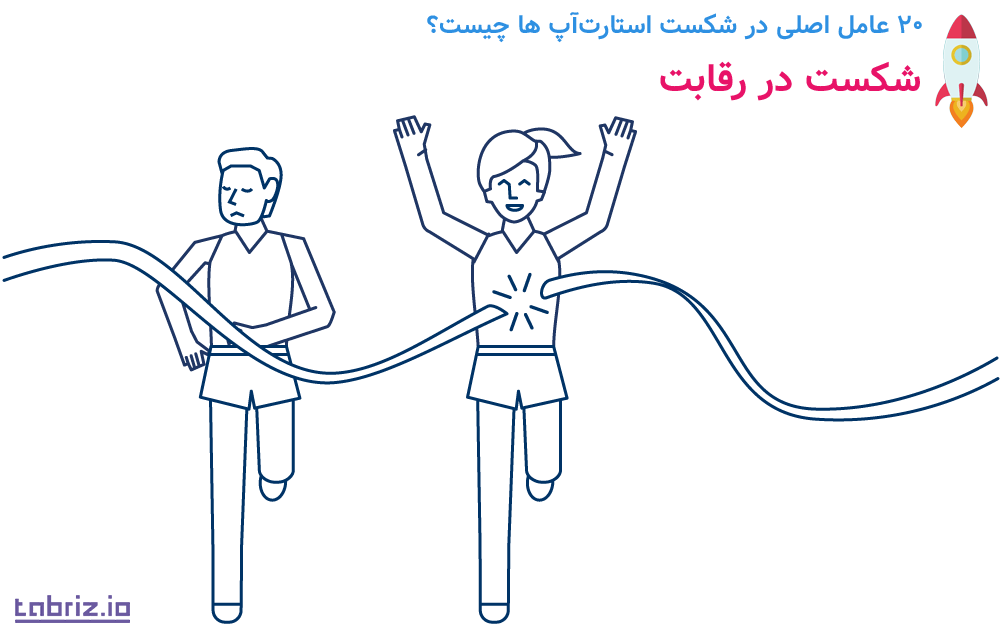
4- شکست در رقابت (19٪)
علیرغم طرز تفکری که میگوید: استارتاپ ها برای شروع نباید نگران رقابت سایرین با خودشان باشند، اما حقیقتا اگر یک ایده همه گیر شود، یا یک بازار مناسب برای آن به وجود بیاید، تعداد زیای سعی خواهند کرد دست به کار شده و از آن ایده استفاده و درآمدزایی کند. هرچند حساسیت بیش از حد بر روی رقیبان کار درستی نیست، اما بی توجهی به آن هم میتواند تبعات سختی را در پی داشته باشد.
5- قیمت گذاری اشتباه بر روی محصول (18٪)
قیمت گذاری روی محصولات یک هنر است. برای قیمت گذاری روی محصولات خود بهتر است، محصول را با قیمت معقول روانه بازار کنید و سپس منتظر استقبال مشتریان و بازخورد های دریافتی از قیمت محصول باشید.بر این اساس میتوانید قیمت مناسب برای محصول خودتان را بیابید. متاسفانه یکی از دلایل شکست استارتاپ ها عدم توانایی متعادل سازی درآمد فروش محصول با هزینه های اولیه است.
6- محصول ضعیف (17٪)
چه عمدا و چه سهوا اگر به نیاز های کاربرتان بی اهمیت باشید اتفاقات بدی دامن گیر شما خواهد بود. برخی از صاحبان استارتاپ ها زمان تولید محصول دچار سرگردانی میشوند. که دلیل آن عدم آگاهی کامل و دقیق درباره محصول و یا تولید بدون تحقیق قبلی و البته کامل درباره آن است. بهتر است پیش از تولید یک محصول جدید، بطور دقیق درباره مراحل ساخت، تکنولوژی های مورد نیاز و... که میتواند از مشکلات احتمالی پیش گیری کند، تحقیقاتی را انجام داده باشید.
7- نبود مدل کسب و کار (17٪)
مدل کسب و کار برای هر استارتاپی از نان شب هم واجب تر است.البته اگر میخواهید استارتاپ موفقی داشته باشید. متاسفانه 17% شکست استارتاپ ها به سبب تاخیر در تنظیم یک بیزینس پلن مناسب است.
اول از هر چیز یک مدل کسب و کار خوب برای خودتان بسازید. بیزینس پلن باعث میشود متمرکز بمانید و همواره بر اهداف بلند مدت خود پایبند باشید. یک مدل کسب و کار خوب 30 تا 40 صفحه خواهد بود که نیاز به زمان و دقت زیادی برای پیش نویسی و پیاده سازی آن روی کسب و کار خودتان دارد. باید تمام آنچه که قرار است در کسب و کار شما رخ دهد را بر اساس اهداف تان پیش بینی و زمان بندی کند، بررسی از مخاطبان انجام دهد و کنترلی بر منابع مالی شما داشته باشد. اگر بتوانید مدل کسب و کار خودتان را به درستی اجرا کنید خواهید توانست کسب و کار خودتان را به درستی ادامه دهید. Deborah Sweeney, مدیر عامل اجرایی MyCorporation.com
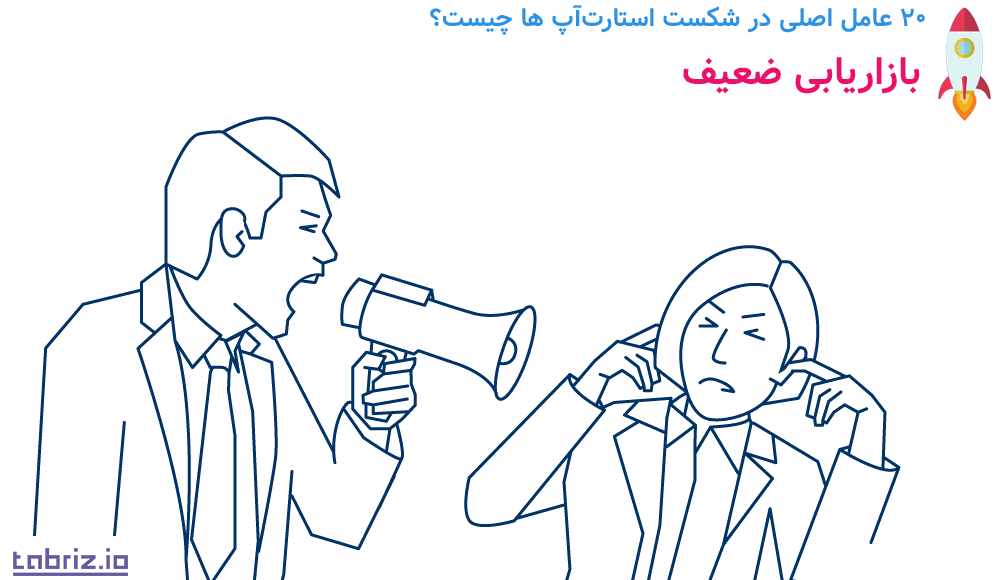
8- بازاریابی ضعیف (14٪)
مخاطبان هدف استارتاپ تان را شناسایی کنید. حال زمان آن شده است که آن ها را به سرنخ یا مشتری راغب (Lead) تبدیل کنید. سپس میتوانید آنها را به مشتری های کسب و کار خودتان تبدیل کنید و محصول تان را بفروشید. تکرار این چرخه و افزایش نرخ تبدیل خود راز موفقیت بازاریابی شما است.
مدیران و موسسانی که قدرت بازاریابی اندکی دارند و فقط بر روی تولید محصول متمرکز شدهاند، نمیتوانند ایده جذابی برای ارائه و تبلیغ محصول خود بدهند. این موضوع سهم 14% در شکست استارتاپ ها دارد.
آنتونی ویتلیو توسعه دهنده واقعیت مجازی(VR) و واقعیت افزوده(AR) در گفتگویی به اینگونه به این مطلب پرداخته است
در آغاز ما فقط به توسعه محصول مان مشغول بودیم و هیچ توجهی به بازاریابی نداشتیم. اما به مرور زمان متوجه شدیم همانقدر که محصول مهم است، بازاریابی برای آن نیز مهم است. اگر شما بازاریابی محصولتان را به درستی انجام ندهید هیچ کس با محصول شما آشنا نخواهد بود، هرچند که بهترین محصول جهان را تولید کرده باشید، ولی هیچ خریدی نخواهید داشت.
گسترش بازار در سطح بسیار وسیع شاید اتلاف وقت به نظر بیاید، اما برای جلوگیری از شکست واجب است.
9- بی توجهی به مشتری (۱۴٪)
هر چقدر از این مورد بگوییم باز هم کم است. در یک جمله: موفقیت، شکست، کسب درآمد، متضرر شدن همگی وابسته مشتری شماست. پس باید توجه خاصی به مشتری های تان داشته باشید. بی توجهی به مشتری یک راه صد در صدی برای شکست است. خود محوری و بی توجهی به بازخوردهای مشتری ها از دلایل شکست استارتاپ ها و کسب و کار تجاری شماست.
در این باره VoterTide نوشته:
ما وقت کافی برای حرف زدن با مشتری هایمان اختصاص ندادیم و به ارائه خدمات پرداختیم با این فکر که ما بهترین هستیم. اما نتایج دریافتی مان چیزی غیر این را گواه میداد. وقتی به اهمیت حرف زدن با مشتری هایمان پی بردیم که خیلی دیر شده بود. فریب دادن خودتان که ایده های عالی دارید کار بسیار ساده ایست، اما باید به مشتری های خود توجه کنید و آنچه که آن ها نیاز دارند را فراهم نمایید.
10- آغاز در زمان اشتباه (۱۳٪)
استارتاپ هایی که بسیار زودتر از موعود، قبل از آنکه بازار یا تکنولوژیی برای انها وجود داشته باشد آغاز به کار میکنند. یا آنهایی که بسیار دیر دست به کار شده اند و آغاز دیرهنگامی دارند. هر دو دچار شکست خواهند شد. باب اسمیت 33 ساله، موسس Drive & Grow Rich که یک سرویس اشتراک ماهانه CD بود در سال 2007 این سرویس را افتتاح کرد. او موفق شد سالانه 10 میلیون دلار کسب کند.
ولی هنوز هم همچین ایدهای کارساز خواهد بود؟ پیشرفت تکنولوژی قاتل این ایده پول ساز شد.
11- کاهش تمرکز (13٪)
برای شروع استارتاپ نیاز به صرف هزینه، تلاش، وقت و تمرکز است. اگر به راحتی دچار حواس پرتی یا عدم تمرکز روی کار یا فعالیت خودتان میشوید احتمالا شما هم به جمع 13% استارتاپ هایی بپیوندید که به دلیل عدم تمرکز روی خواسته و هدفشان شکست خورده اند.
گروه MyFavorites در آخرین نوشته شان قسمتی از تجارب خودشان را به اشتراک گذاشته اند:
بعد از برگشت از کنفرانس SXSW کل تیم انگیزه خودشان را از دست داده بود و همگی دچار سردرگمی شده بودیم، و من سردرگم از اینکه واقعا من میخواستم استارتاپ تاسیس کنم، سرمایه گذار و تیم قوی و مسئولیت پذیری تشکیل دهم؟ پاسخگو سرمایه گذاران باشم؟
12- عدم توافق بین اعضای گروه یا سرمایه گذاران (13%)
اختلاف نظر با هم تیمی ها یکی از دلایل شکست یاد شده در پست های کالبد شکافی بود. اما همه چیز فقط به تیم توسعه دهنده محدود نمی شود. اگر با سرمایه گذار هم به مشکل برخورید اتفاقات خیلی بدی رخ خواهد داد که ArsDigita نمونهای برای این عنوان بود.
فیلیپ گرین اسپن نوشته:
برای حدود یک سال پیتر بلوم (General Atlantic)، چیپ هازارد (Greylock) و آلن شِهین (CEO) تصمیم گیران اصلی شرکت ArsDigita بودند. در طی این یک سال تصمیماتی گرفتن:
1- 20 میلیون دلار صرف شد تا درآمد شرکت به زمانی که من CEO بودم بازگردد.
2- پیشنهاد مایکروسافت را که در تابستان سال 2000 شده بود را رد کردند. مایکروسافت پیشنهاد کرده بود ArsDigita به عنوان اولین شرکت نرم افزاری جامع .NET معرفی شود.
3- نسخه قدیمی محصول را در حالی منسخوه اعلاک کردند که هنوز ورژن جدید آن را کامل نکرده بودند.
4- هزینه های بسیار بالایی ایجاد کردند، من با 80 نفر که اغلب حقوق زیر 100 هزار دلار دریافت میکردند موجب شدیم به درآمدی حدود 20 میلیون دلار در سال برسیم. اما ArsDigita ی که گریلاک، جنرال آتلانتیک و آلن مدیریت میکردند حدود 200 موقعیت شغلی جدید داشتن که کف حقوق پرداختی شان 200 هزار دلار بود.
5- برتری در بازار و برتری هوشی را از دست دادند.
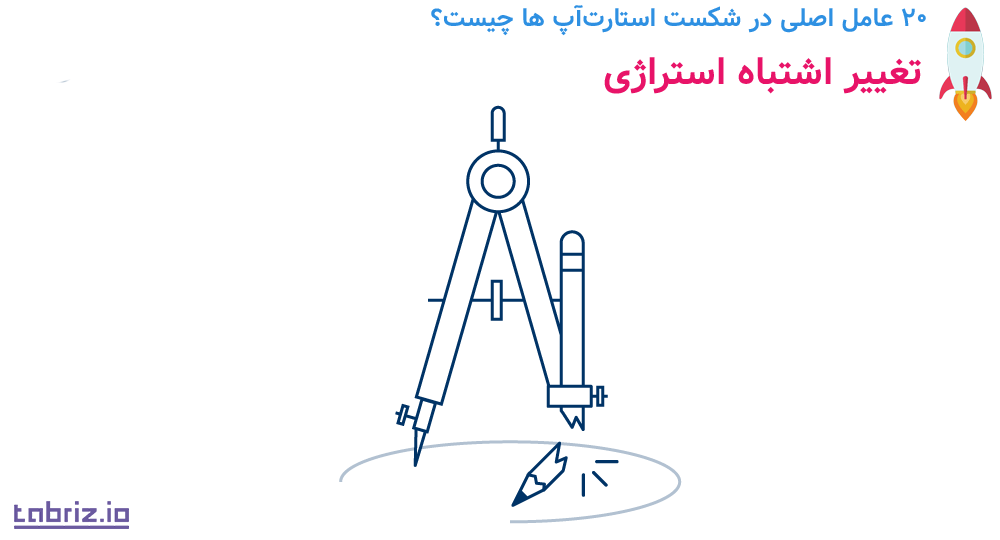
13- تغییر اشتباه استراژی (10٪)
استراژی یکدیگر از عوامل اصلی تعیین کننده طول عمر استارتاپ هاست. شما یک محصول را می سازید، کاربران آن را امتحان میکنند. متوجه میشوید محصولتان مناسب کاربر نیست یا متناسب با بازار موجود نیست. استراژی خود را تغییر میدهید. اگر این تغییر استراژی به درستی برنامه ریزی نشده باشد، میتواند باعث شکست استارتاپ تان شود.
14- بی علاقگی (9%)
ایده های ناب خیلی زیادی در جهان وجود دارند،اما از 9% از پست کالبد شکافی بنیان گذاران میتوان فهمید که بی علاقگی در یک حوزه و عدم آگاهی از آن از دلایل کلیدی شکست ایده های خوب استارتآپی است.
NewsTitle در post-mortem خود در باره بی علاقگی خودشان در حوزه فعالیتشان اینگونه نوشته است:
ما شروع به ساختن یک سیستم نظردهی بسیار عالی کردیم. بهترین سیستم نظردهی که تا به حال ساخته شده است. بهترین مخاطبان محصول ما چه کسانی هستند؟ روزنامه ها ...
اما تا به حال شده است برای خواندن اخبار به سایت BBC برویم؟ اگر چنین کاری را میکردیم میتوانسیتم این سیستم را بسازیم اما همیشه برای مطالعه هکر نیوز و ردیت را انتخاب کرده ایم.
15- موقعیت جغرافیایی (9٪)
موقعیت جغرافیایی به دو صورت میتواند دردسرآفرین باشد، در حالت اول نباید استارتاپ شما محدود به یک منطقه خاصی باشد. به عنوان مثال کاربران استارتآپ شما نباید صرفا از یک شهر (محل سکونت استارتاپ) باشند، در حالی که میتواند کاربرانی از اقصی نقاط کشور و یا جهان داشته باشد.
مکان در تیم هایی که به صورت دورکاری (remote) فعالیت میکنند هم میتواند دردسرآفرین باشد. اگر تیم به صورت دورکاری فعالیت میکند بهتر است روش های موثری برای ارتباط بین اعضای گروه داشته باشید، در غیر اینصورت نبود کار گروهی و ارتباط مناسب بین اعضا باعث شکست خواهد شد.
Devver در این باره نوشته:
بزرگترین اشکال تیم های دورکار مدیریت عذاب آور آنهاست. مشکل، مدیریت حقوق ، وظایف بیمه و... آنهاست که در یک گروه کوچک باعث ناراحتی و نگرانی اعضای تیم میشود.
16- عدم جذب سرمایه گذار (8٪)
سعی کنید دلایل بهتری را برای جذب سرمایه بیابید. تعدادی از موسسین استارتاپ ها از عدم علاقه سرمایه گذاران در مرحله سرمایه اولیه (Seed Stage) طرح یا در کل طرح میگوییند. اگر میخواهید سرمایه بیشتری را در کسب و کار خود جذب کنید باید بتوانید از هزینه های اضافی جلوگیری کنید و برای خرج سرمایه مالی شرکت برنامه دقیق و درستی را برای سرمایه گذار ارائه دهید.
17- چالش های قانونی (8%)
گاهی اوقات یک استارتآپ میتواند از یک ایده ساده به دنیای پیچیده از قوانین تبدیل شود و مانع پیشرفت آن شود.
Decide.com در نوشته خود به این نقطه اشاره کرده است:
ما اخطاریه از آنها دریافت کردیم بر این اساس که نمیتوانید رضایت ما را جلب کنید و اگر آن را حذف نکنید حساب وابسته مان را خواهند بست.ما پول زیادی نداشتیم اما احتمالا بیش از 80% درصد درآمد ما در آن حساب بود.
18- استفاده نکردن از روابط (8%)
اغلب کارآفرینان در مورد عدم وجود ارتباطات(Network) یا ارتباط با سرمایه گذاران ناله میکنند. جالب است که یکی از دلایل شکست استارتاپ ها ناتوانی استفاده درست کارآفرینان از شبکه ارتباطی خودشان باشد.
Kiko نوشته:
سرمایه گذاران خودتان را درگیر کنید. سرمایه گذاران آمده اند که به شما کمک کنند. آنها را از اول در جریان بگذارید و اگر نیاز داشتید از انها کمک بخواهید. من فکر میکنم مشکل را خودمان از همان آغاز ساختیم که خواستیم همه چیز را به تنهایی بدانیم و انجام دهیم.
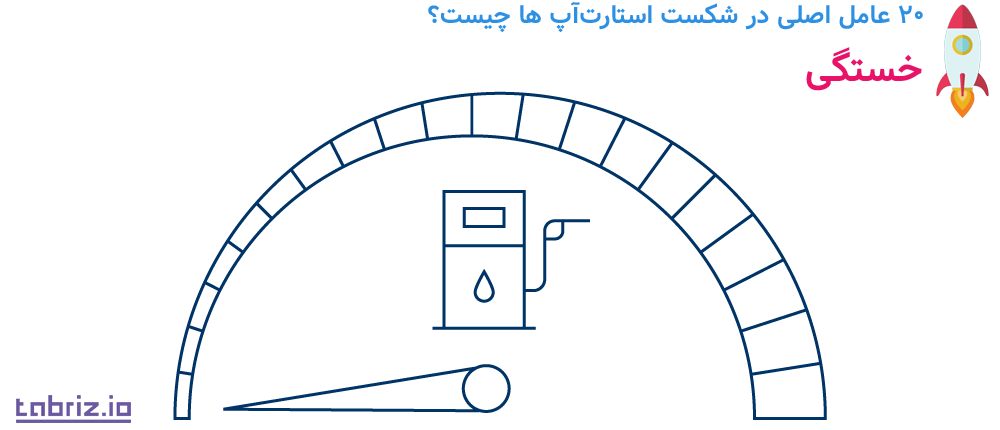 خستگی - شکست استارتاپ
19- خستگی (8%)
تعادل بین کار و زندگی در زندگی اغلب کارآفرینان وجود ندارد و همین باعث میشود احتمال تسلیم شدن شان بیشتر شود. 8% از دلایل شکست استارتاپ ها خستگی است. شما باید بتوانید در لحظات مهم از ضرر پیش گیری کنید و زمانی که متوجه شدید مسیری به بن بست خواهد رسید، مسیر خود را تغییر دهید ولی هرگز تسلیم نشوید.
20- شکست در تغییر استراژی (7%)
تغییر استراژی ندادن یا سریع این کار را انجام دادن برای ساختن یک محصول بد کافی است. استخدام یک فرد نادرست یا تصمیم گیری نادرست از دلایل گفته شده از شکست استارتاپ ها است که در 7% پست های بررسی شده آمده است.
کیت نواک در کالبد شکافی Imercive’s اینگونه نوشت:
ما گرفتار چرخش استراژی بودیم در میانه راه بین دو استراژی گیر کرده بودیم، یک استراژی که میدانستیم جواب نخواهد داد و یکی که ما باور داشتیم موقث خواهد شد اما امکان دنبال کردن آن فوری آن وجود نداشت. لحظات بسیار سخت و دشواری بود. از این که نمیتوانستیم استراژی جدیدمان را پیش ببریم هر روز ناامید تر میشیدیم و هر روز که بدون پیشرفتی در کارمان پیش میرفت، یک قدم به شکست نزدیک تر میشدیم. با این که هر چه داشتیم را به مییان گذاشتیم اما هرگز نتوانستیم استراژی مان را تغییر دهیم.
What are the 20 main factors in startup failures?
Startup failures are an inseparable part of this ecosystem. A wrong decision can throw a completely successful startup into the depths of failure. However, the question that arises for most startups, managers, investors, developers, designers, users, and even yourself is:
What reasons lead to startup failures?
CB Insights, in a recent analysis, examined 101 post-mortems of failed startups. The results of the analysis have been published under the title "20 important reasons for startup failures," which we will discuss in the following.
Certainly, familiarity with these reasons will provide a good experience and background for starting a startup and can also prevent the failure of an active startup.
The reasons mentioned are listed in order of frequency of occurrence. Given that in the failure of some startups, there were more than one influencing reason, the cumulative total of these titles will exceed 100%.
1- Lack of market/audience need (49%)
The most important and frequently mentioned reason that holds the first place in almost all articles written on this topic is the lack of market or audience need for the product or services of startups. However, lack of audience need does not mean complete lack of need for the product. It may be that your idea does not match your audience or that your competitor's product has higher quality. Theorists believe that successful startups should pay more attention to problem-solving methods than to sales.
Jevin Maltais stated in an interview with startups.co:
In 2009, after spending $63,000 and hiring employees for 6 shifts, we launched our startup after 9 months of effort. Our startup idea was to display all photos, tweets, and events on a map that occurred on three streets. But we failed because no one felt such a need, and we had no revenue-generating path.
From this incident, we can learn that "it is better to talk to people about a startup before starting it."
2- Running out of financial resources (29%)
Time and money are the two main and limited resources for startups that we must show great care for. The question "how to manage financial resources" is a common puzzle among startups and one of the frequently cited reasons for their failure. For example, the Flood team believes that running out of financial resources depends on other factors. In startups, the mismatch of the product with the market and failure to change strategy leads to such occurrences.
In fact, what caused the failure of the Floyd team was the company's inability to attract investment. Despite numerous sales approaches and extensive efforts to provide a market-appropriate product and repeated failures, we eventually ran out of money.
3- Wrong team composition (23%)
A team with diverse members who have various skills is considered one of the success factors for startups. In the post-mortems written on this topic, it has been mentioned: I wish we had a Chief Technology Officer (CTO) on our team.
Choosing the wrong team members can be the reason for your startup's failure. Standout Jobs wrote in their post-mortem:
The main problem with our core team was that we did not have the ability to build an MVP (Minimum Viable Product). If the team cannot produce a minimum product alone or with minimal outsourcing, then we cannot rely on them to start the startup. We had to add new people as co-founders to the group to fix existing issues, and we had to give them a share of the startup in return. But that never happened.
4- Failure in competition (19%)
Despite the mindset that startups should not worry about competition from others when starting, the truth is that if an idea becomes popular or a suitable market emerges for it, many will try to take action and capitalize on that idea. Although excessive sensitivity to competitors is not a good practice, ignoring it can also have severe consequences.
5- Incorrect pricing of the product (18%)
Pricing products is an art. For pricing your products, it is better to launch the product at a reasonable price and then wait for customer reception and feedback on the product's price. Based on this, you can find the right price for your product. Unfortunately, one of the reasons for startup failures is the inability to balance product sales revenue with initial costs.
6- Weak product (17%)
Whether intentionally or unintentionally, if you disregard your user's needs, bad things will happen to you. Some startup owners become confused during product development, which is due to a lack of complete and accurate knowledge about the product or production without prior and thorough research about it. It is better to conduct research on the stages of production, required technologies, etc., that can prevent potential problems before producing a new product.
7- Lack of business model (17%)
A business model is more essential for any startup than daily bread, especially if you want to have a successful startup. Unfortunately, 17% of startup failures are due to delays in setting up a suitable business plan.
First of all, create a good business model for yourself. A business plan keeps you focused and always committed to your long-term goals. A good business model will be 30 to 40 pages long, requiring a lot of time and attention to draft and implement it in your business. It should predict and schedule everything that will happen in your business based on your goals, conduct audience research, and control your financial resources. If you can implement your business model correctly, you will be able to continue your business properly. Deborah Sweeney, CEO of MyCorporation.com
8- Weak marketing (14%)
Identify the target audience of your startup. Now it is time to convert them into leads or potential customers. Then you can turn them into customers of your business and sell your product. Repeating this cycle and increasing your conversion rate is the secret to your marketing success.
Managers and founders who have little marketing power and focus only on product development cannot provide an attractive idea for presenting and promoting their product. This accounts for 14% of startup failures.
Anthony Whitley, a developer of Virtual Reality (VR) and Augmented Reality (AR), addressed this issue in an interview:
At first, we were only focused on developing our product and paid no attention to marketing. But over time, we realized that just as the product is important, marketing for it is also important. If you do not market your product correctly, no one will know about it, even if you have produced the best product in the world, but you will have no sales.
Expanding the market on a very large scale may seem like a waste of time, but it is essential to prevent failure.
9- Disregarding the customer (14%)
No matter how much we talk about this issue, it is still not enough. In one sentence: success, failure, earning revenue, and suffering losses all depend on your customer. Therefore, you must pay special attention to your customers. Disregarding the customer is a surefire way to fail. Self-centeredness and ignoring customer feedback are reasons for startup and business failures.
In this regard, VoterTide wrote:
We did not dedicate enough time to talk to our customers and focused on providing services with the thought that we were the best. However, the results we received testified otherwise. We realized the importance of talking to our customers when it was too late. Deceiving yourself into thinking you have great ideas is very easy, but you must pay attention to your customers and provide what they need.
10- Starting at the wrong time (13%)
Startups that start much earlier than expected, before a market or technology exists for them, or those that start too late, will both fail. Bob Smith, 33, founder of Drive & Grow Rich, a monthly CD subscription service, launched this service in 2007. He managed to earn $10 million annually.
But will such an idea still be viable? Technological advancement became the killer of this profitable idea.
11- Decreased focus (13%)
Starting a startup requires spending money, effort, time, and focus. If you easily become distracted or lose focus on your work or activities, you are likely to join the 13% of startups that have failed due to a lack of focus on their desires and goals.
The MyFavorites group shared some of their experiences in their latest post:
After returning from the SXSW conference, the entire team lost their motivation and became confused, and I was confused about whether I really wanted to establish a startup, form a strong and responsible team, and be accountable to investors?
12- Lack of agreement among team members or investors (13%)
Disagreements with teammates were one of the reasons for failure mentioned in the post-mortems. However, everything is not limited to the development team. If you also encounter problems with investors, very bad things will happen, as ArsDigita was an example of this title.
Philip Greenspan wrote:
For about a year, Peter Bloom (General Atlantic), Chip Hazard (Greylock), and Alan Shein (CEO) were the main decision-makers at ArsDigita. During this year, they made decisions:
1- $20 million was spent to return the company's revenue to the time when I was CEO.
2- They rejected Microsoft's offer made in the summer of 2000. Microsoft had proposed that ArsDigita be introduced as the first comprehensive .NET software company.
3- They deprecated the old version of the product while they had not yet completed the new version.
4- They created very high costs; I had 80 people, most of whom earned under $100,000, which led us to an annual revenue of about $20 million. However, the ArsDigita that Greylock, General Atlantic, and Alan managed had about 200 new job positions with a minimum salary of $200,000.
5- They lost market superiority and intellectual superiority.
13- Wrong strategy change (10%)
Strategy is one of the main determining factors for the longevity of startups. You build a product, users try it. You realize that your product is not suitable for the user or the existing market. You change your strategy. If this strategy change is not properly planned, it can lead to the failure of your startup.
14- Lack of interest (9%)
There are many brilliant ideas in the world, but from 9% of the post-mortems of founders, it can be understood that lack of interest in a field and lack of awareness about it are key reasons for the failure of good startup ideas.
NewsTitle wrote in their post-mortem about their lack of interest in their field of activity:
We started building a very excellent rating system. The best rating system ever built. Who are the best audiences for our product? Newspapers ...
But have we ever gone to the BBC website to read the news? If we had done that, we could have built this system, but we always chose to read Hacker News and Reddit.
15- Geographic location (9%)
Geographic location can be problematic in two ways. In the first case, your startup should not be limited to a specific area. For example, the users of your startup should not only come from one city (the location of the startup), while it can have users from all over the country or the world.
Location can also be problematic for teams that work remotely. If the team operates remotely, it is better to have effective methods for communication among team members; otherwise, the lack of teamwork and proper communication among members will lead to failure.
Devver wrote about this:
The biggest flaw of remote teams is their tedious management. The problem is managing salaries, insurance duties, etc., which in a small group causes discomfort and concern among team members.
16- Failure to attract investors (8%)
Try to find better reasons for attracting investment. Some startup founders complain about the lack of interest from investors at the seed stage or in general. If you want to attract more investment to your business, you must be able to avoid unnecessary expenses and provide a precise and correct financial plan for the investor.
17- Legal challenges (8%)
Sometimes a startup can turn from a simple idea into a complex world of laws and hinder its progress.
Decide.com pointed out this in their writing:
We received a notice from them stating that you cannot gain our consent, and if you do not remove it, they will close our affiliate account. We did not have much money, but probably over 80% of our revenue was in that account.
18- Not utilizing relationships (8%)
Many entrepreneurs complain about the lack of connections or relationships with investors. Interestingly, one of the reasons for startup failures is entrepreneurs' inability to properly utilize their own network.
Kiko wrote:
Engage your investors. Investors are here to help you. Keep them informed from the beginning and ask for their help if needed. I think we created the problem ourselves from the very beginning by wanting to know and do everything alone.
Burnout - Startup failure
19- Burnout (8%)
The balance between work and life often does not exist in the lives of many entrepreneurs, and this increases the likelihood of their giving up. 8% of the reasons for startup failures are burnout. You must be able to prevent losses at critical moments and change your path when you realize that a route will lead to a dead end, but never give up.
20- Failure in strategy change (7%)
Not changing strategy or changing it too quickly is enough to build a bad product. Hiring the wrong person or making incorrect decisions are reasons mentioned for startup failures that appeared in 7% of the examined posts.
Kate Nowak wrote in the post-mortem of Imercive:
We were caught in a strategy pivot, stuck between two strategies, one we knew would not work and one we believed would succeed, but there was no immediate way to pursue it. It was a very hard and difficult time. Every day we became more hopeless that we could not advance our new strategy, and every day without progress brought us one step closer to failure. Even though we put everything we had on the line, we could never change our strategy.


چون که به نظر من، یه تیم حرفهای میتونه الباقیش مشکلات رو برطرف کنه Wrong team composition might be the main reason for startup failures.
Because in my opinion, a professional team can solve all other problems.
خلاصه بگم تجربه ای رو خوندم که ایده و محصول عالی، بازار فوقالعاده بزرگ و مقیاسپذیر، تیم فنی بسیار متخصص، سرمایهگذار همه جوره حمایتگر و دلسوز و جیبشون هم تقریبا پر پول. اما شد آنچه که نباید میشد. بعد از گذشت نزدیک به 9 ماه از جذب سرمایشون چالشهای جدیدی بوجود اومد که عملکردشون رو ذره ذره مختل کرد. فرآیندهاشون به درستی اجرا نمیشه و یه چیزایی هست که داره تیشه به ریششون میزنه. طی صحبتی که باهاشون داشتم متوجه شدم که یجورایی دو دستهگی بین کارآفرینا بوجود اومده. انگار که کار هم دیگه رو قبول ندارن و دارن تو کار هم دیگه دخالت میکنن و بدتر از همه اینکه حتی برای خراب کردن همدیگه تمام تلاششون رو هم میکنن. A good team is very effective, but the nature of a startup is such that it's better for everything to be average than for one part to be excellent and another part to be weak.
To summarize, I read an experience where the idea and product were excellent, the market was incredibly large and scalable, the technical team was highly specialized, the investor was supportive and caring in every way, and their pockets were almost full of money. But it turned out to be what it shouldn't have been. After nearly 9 months of raising their capital, new challenges arose that gradually disrupted their performance. Their processes are not executed correctly, and there are things that are undermining their efforts. During a conversation I had with them, I realized that a sort of division has emerged among the entrepreneurs. It seems they don't accept each other and are interfering in each other's work, and worse, they are even making every effort to sabotage one another.