بازگشت Back
مقالات Articles

فین‌ تک چیست و چگونه در حال تغییر دادن آینده‌ی صنعت مالی است؟ Haft Hashtad and 3080 Lead Tabriz's FinTech Sponsorship Surge

احسان عبدی‌پور
احسان عبدی‌پور Ehsan Abdipour
·
فین‌ تک چیست و چگونه در حال تغییر دادن آینده‌ی صنعت مالی است؟

فین تک چیست - Tabriz.io

این روزها شاهد حضور کسب‌وکارهایی در رسانه ملی هستیم که به عنوان حامیان میلیونی در برنامه‌ها شرکت می‌کنند. کسب‌وکارهایی مانند هفت‌هشتاد که اسپانسر برنامه خندوانه می‌شود، ۳۰۸۰ که اسپانسر برنامه دورهمی می‌شود، ستاره ۷۳۳ مربع، تاپ، آپ و ... که هر کدام برنامه‌های مختلف تلویزیونی را قبضه کرده‌اند. اما نقطه مشترک تمام این کسب‌وکارها که روز به روز به تعدادشان نیز اضافه می‌شود حوزه فعالیت‌شان، یعنی حوزه‌ی «فین تک» است. گستره‌ی فعالیت این کسب‌وکارها اگرچه محدود به نظر می‌رسد؛ اما حقیقت این است که فین‌تک بسیار گسترده‌تر و جالب توجه‌تر از این‌ها است و در حال حاضر به واسطه رشد کسب‌وکارهای مبتنی بر فین‌تک شاهد ایجاد تغییرات عمده‌ای در صنایع مالی در سطح جهان هستیم. در این پست قصد داریم در مورد فین تک صحبت کنیم و با تحولاتی که در صنایع مالی رقم زده آشنا شویم.

تاریخچه فین تک

قدمت فین‌تک را می‌توان هم‌سال با حضور فناوری در دنیای اقتصاد دانست. اولین فناوری که باعث تسهیل خدمات مالی شد، تلگراف بود که از آن برای تأیید امضاها در انتقال بین‌بانکی استفاده می‌شد. طی سالیان فناوری‌های مختلفی پدید آمده‌اند که هرکدام نقش بسزایی در توسعه فین تک داشتند. از اوایل قرن ۲۰ و با گسترش اینترنت سرعت پیشرفت فین‌تک شتاب بیشتری گرفت. از سال ۲۰۰۸ و بعد از بحران مالی که اقتصاد دنیا را دگرگون کرد، به کار گیری فین‌تک به‌صورت جدی‌تری مطرح شد؛ دولت‌ها به دلیل بدهی‌های مالی بسیار زیاد که بانک‌ها ایجاد کرده بودند، به دنبال جلوگیری از تکرار مجدد چنین اتفاقی بودند و به این منظور حضور استارتاپ‌های فین‌تک بیش‌ازپیش مطرح شد.

فین‌تک در ایران قدمت چندان زیادی ندارد، اگر شروع فین‌تک در ایران را همزمان با احداث اولین خودپردازها در نظر بگیریم (1351)، عمری کمتر از 50 سال دارد. اما رشد ایران در این حوزه تا دهه اخیر به دلایل سیاسی و زیرساختی روند سریعی نداشت. اقدامات اولیه‌ی به کارگیری جدی‌تر فناوری در صنایع مالی از سال ۷۲ کلید خورده بود اما از دهه 80 فناوری بانکی در ایران رشد سریع‌تری به خود دید و اولین اینترنت بانک، اولین تراکنش کارتخوانی، اولین تراکنش آنلاین، اولین تراکنش موبایلی (USSD)، به راه افتادن اولین استارتاپ فین‌تک و اولین استارتاپ پی‌تک همگی در این دهه اتفاق افتادند.

فین‌تک چیست ؟

فین‌تک یا فناوری‌های مالی (به انگلیسی FinTech یا همان Financial technology) به صنعتی از دنیای اقتصاد اشاره دارد که سعی دارد با استفاده از تکنولوژی و راهکارهای نوین خدمات مالی را کارآمدتر و سهل‌تر کند. در حالت کلی استارتاپ‌های فینتک آن‌هایی هستند که در حوزه مالی فعالیت و راهکارهای نوآورانه‌ای دارند.

برای این‌که با مفهوم فین‌تک و کارکردهای این حوزه بیشتر آشنا شوید، می‌توانید نگاهی به این ویدیو که اولین ویدیو از سری ویدیوهای آموزشی فین‌تک مجموعه ایده پردازان است بیاندازید:

.


.

حوزه‌های مختلف فین‌تک

فین تک در حالت کلی شامل خدمات مختلفی می‌شود که می‌توان این خدمات را به ۹ دسته زیر تقسیم کرد.


  1. رگ تک (RegTech): کارگزاران این حوزه خدمات مختلفی را برای کاهش هزینه‌های بانک‌ها مانند کاهش جریمه‌ها ارائه می‌دهند و از این طریق کسب درآمد می‌کنند.

  2. ولث تک (WealthTech): از  ولث تک می‌توان به‌عنوان حوزه سرمایه‌گذاری یادکرد. کارگزاران این حوزه سعی دارند با استفاده از تکنولوژی نوین مانند هوش مصنوعی و BigData ریسک سرمایه‌گذاری را کمتر کرده و سرمایه‌گذاری مطمئن‌تری به ارمغان آورند.

  3. اینشورتک (InsurTech): اینشورتک به "کاربردهای نوآورانه فناوری برای ارائه خدمات بیمه" اشاره دارد. در این حوزه کارگزاران با استفاده از تکنولوژی سعی دارند ارائه، توزیع و مدیریت خدمات بیمه‌ای را با استفاده از هوش مصنوعی، ابر داده‌ها (Big Data) و اینترنت اشیاء برای هر مشتری بهبود بخشند.

  4. پی تک (PayTech): پی‌تک همانطور که از اسمش هم مشخص است مربوط به حوزه پرداخت است. شرکت پی پال (paypal.com) یکی از نمونه‌های موفق جهانی این حوزه است.  فعالین این عرصه سعی دارند با حفظ امنیت پرداخت‌ها، این عملیات را ساده‌تر کرده و در زمان صرفه‌جویی کنند.

  5. بانک تک (BankTech): فعالین این حوزه لایه ارتباطی بین بانک‌ها و مشتریان هستند که به مشتریان امکان استفاده از خدمات چندین بانک را فراهم می‌کنند.

  6. لند تک (LendTech): این حوزه امکان سرمایه‌گذاری جمعی بر روی یک پروژه کارآفرینانه را فراهم می‌کند. این حوزه برای افرادی که علاقه دارند بر روی کسب و کار خاصی سرمایه‌گذاری کنند و آن کسب‌وکار به تأمین نیاز به دست آوردن سرمایه از راهی به‌جز وام بانکی دارد بستری مطمئن آماده می‌کند.

  7. مدیریت مالی (PFM): کارگزاران این حوزه با استفاده از الگوریتم، هوش مصنوعی و پیش بینی رفتارهای شما، در بهتر مدیریت کردن پول‌هایتان به شما کمک کنند.

  8. رمیتنس (Remittance): به صورت خلاصه می‌توان انتقال پول از کشوری به کشور دیگر را وظیفه فعالین حوزه رمیتنس دانست.

  9. ارزهای رمزنگاری شده (CryptoCurrency): این حوزه هم به معاملات کریپتوکارنسی ها مربوط می‌شود.


فین‌تک چگونه در حال تغییر دادن آینده‌ی حوزه‌ی مالی است؟

به دلیل تمرکز کسب‌وکارهای فین‌تک بر روی حوزه (های) خاصی از حوزه‌ی مالی، راهکارهای پیشنهادی آن‌ها نسبت به بانک‌ها که مشغول به ارائه خدمات متنوعی هستند، کارآمدتر و مناسب‌تر است. این شرکت‌ها باعث تسریع عملیات و درنتیجه صرفه‌جویی در زمان می‌شوند. برتری دیگری که حوزه فین‌تک نسبت به بانکداری سنتی دارد این است که فشار کمتر قوانین بانک‌های مرکزی و دولت‌ها موجب آزادی عمل بیشتر مجموعه‌های فین تکی نسبت به بانک‌ها می‌شود. امروزه در جهان اکثر بانک‌ها جایگاه ارائه‌دهنده خدمات زیرساختی را دارند و بیشتر خدمات بانکی از طریق کسب و کارهای فین تک عرضه می‌شود. با این حال حوزه فین‌تک در ایران در مراحل نخستین است و جای خالی استارتاپ‌های بسیاری در حوزه‌هایی به غیر از پرداخت، که در ایران بیشتر مورد توجه واقع‌شده است، دیده می‌شود.

پیش بینی می‌شود که در آینده‌ای نزدیک شاهد کم‌رنگ‌تر شدن نقش بانک‌ها (در قالب بانکداری سنتی) و ظهور بانکداری مدرن باشیم. هرچند که امروزه با حضور شرکت‌های فین‌تک و ورود برخی از بانک‌ها در این حوزه امکان انجام بیشتر امور بانکی بر بستر تکنولوژی فراهم‌شده است. پرداخت‌های موبایلی (USSD)، درگاه‌های پرداخت اینترنتی، پرداخت‌های بین‌المللی، برنامه‌های حسابداری شخصی و ... همگی اجزایی از صنعت فین تک محسوب می‌شوند.

برای این‌که با انقلابی که بدست فین‌تک در بازار خدمات مالی در حال رخ دادن است بیشتر آشنا شوید، بد نیست نگاهی به این ویدیو بیاندازید:

.

به دلیل گستردگی خدمات فین‌تک و آزادی عمل بیشتری که این کسب‌وکارها دارند، امکان فعالیت بین‌المللی برای آن‌ها نیز فراهم شده. حضور اینترنت هرگونه مرز بندی را بی‌معنی کرده و همه مردم جهان را به هم ملحق کرده است، پس هر فردی حق دارد از تمام امکانات این جهان بهره ببرد که مبادلات بین المللی یکی از این امکانات است که به لطف خدمات فین‌تک امروزه میسر شده است. از طرفی خدمات فین‌تک باعث شفافیت و دسترسی آسان می‌شود؛ بطوری‌که کاربران بتوانند در هر زمان و مکانی به تاریخچه خدمات مالی خود دسترسی داشته باشند.

فین تک همانند یک بازی دو سر برد برای مشتریان و صاحبین کسب‌وکار است. ارائه دهندگان خدمات فین‌تک سعی دارند مشکلاتی که در مدل سنتی بانکداری وجود دارد را هدف قرار دهد و با استفاده از آن فرصت‌ها، کسب‌وکارهای نوین راه بیندازند. فین‌تک هم مانند بسیار از نوآوری‌های دیگر، یک نوآوری مخاطب دوست است، این مسئله زمانی بیشتر اهمیت پیدا می‌کند که بخاطر بیاوریم در حال حاضز دنیا شاهد حضور نسل Y و Z که علاقه بسیار بیشتری برای استفاده از خدمات آنلاین و راهکارهای نوآورانه دارند است. نسل Z (هزاره Z) علاقه بسیار زیادی به انجام تمامی کارها با تلفن هوشمند و اینترنت دارند و طبق نظرسنجی 50 درصد از این نسل تمایل زیادی به استفاده از خدمات به مدل سنتی - بانکداری سنتی - ندارند. مطمئنا نسل بعدی که توسل نسل Z تربیت می‌شوند از ابتدا با مسائل فین‌تک آشنا خواهند شد که این امر باعث رشد تقاضا در حوزه فین‌تک می‌شود.

10 میلیارد دلار میزان سرمایه‌ای است که در طی سه ماه اول سال 2018 توسط سرمایه گذاران بر روی استارتاپ‌های فین‌تک سرمایه گذاری شده است. این رقم از سال 2014 تا 2018 معادل 127 میلیارد دلار است که بیشترین سرمایه گذاری در این حوزه در سال گذشته انجام شده است. حجم سرمایه‌ای که در سال 2017 به صورت جهانی به این استارتاپ‌ها تعلق گرفته بیش از 40 میلیارد دلار است. متاسفانه آمار دقیقی از میزان سرمایه گذاری در حوزه فین‌تک در ایران وجود ندارد اما موردی که کاملا مشهود است علاقه سرمایه‌گذاران بر این حوزه طی سالیان گذشته است. استارتاپ‌های فین‌تک و استارتاپ‌های سلامت از جذاب‌ترین جوزه‌ها برای سرمایه گذاران است. از شتاب‌دهنده‌های فین‌تک  ایران هم می‌توان به فینووا، فارابی، نوین‌تگ، تریگ‌آپ،شریف،دیموند و چند شتاب‌دهنده دیگر اشاره کرد که تمرکز بیشتری برروی شتاب‌دهی استارتاپ‌های فین تک دارند.


مزایای یاد شده همگی به عنوان مزیت‌های فین‌تک برای کسب‌وکارها بود؛ اما فین تک چه مزایای و ارزش افزوده‌ای برای مشتریان می‌سازد؟
تکنولوژی باعث ایجاد روش‌های جدیدی در پرداخت مانند پرداخت با موبایل، پرداخت با چیپ‌های کاشته شده و ... را به دنبال داشت. در کل مزیت‌های فین‌تک برای مشتریان را می‌توان این موازد بیان کرد: افزایش سرعت و دقت در خریدها و مدیریت مالی، کنترل بهتر هزینه‌ها، عدم نیاز به حمل نقل پول نقد و حتی کارت بانکی و صرفه جویی در زمان.
در کل می‌توان آینده مالی را متعلق به کسب‌وکارهای فین‌تک دانست که عدم تطابق با آن و نداشتن آشنایی کافی با این حوزه می‌تواند باعث بروز مشکلاتی و حتی کلاه برداری های بسیار شد.

فرصت‌های صنعت فین‌تک در ایران

در حال حاضر توجه کارآفرینان ایرانی علاقه‌مند به حوزه‌ی فین تک عمدتا بر روی حوزه‌ی پی‌تک است و توجه چندانی به سایر حوزه‌های فین‌تک نمی‌شود؛ با بررسی استارتاپ‌های فین تک (تا پایان سال 96) در کل حدود 70 استارتاپ در حوزه فین‌تک در ایران وجود دارد و از این میان 3% آن‌ها در استان آذربایجان شرقی واقع شده‌اند. از این ۷۰ استارتاپ بیش از ۳۰ تای آن‌ها در حوزه پرداخت فعالیت دارند که پرمخاطب‌ترین حوزه فین‌تک در ایران محسوب می‌شود. حوزه‌ رگ‌تک نیز کمترین تعداد استارتاپ‌های فین‌تکی را در ایران به خود اختصاص داده است؛ در حالی که با شناخت مناسب سازوکار سیستم بانکی می‌توان درآمد بسیار مناسبی از بیش از ۳۵ بانک دولتی و غیر دولتی کسب کرد.

آمار استارتاپ‌های فین تکی راه‌اندازی شده در ایران در هر سال، به تفکیک حوزه‌ی فعالیت آمار استارتاپ‌های فین تکی راه‌اندازی شده در ایران در هر سال، به تفکیک حوزه‌ی فعالیت

با توجه به محبوبیت زیادی که امروزه ارز‌های رمزنگاری شده مانند بیت‌کوین پیدا کرده‌اند، فراهم کردن بستر خرید و فروش براساس این ارز‌ها خود پتانسیل بسیار مناسبی است که بازار بزرگ و جذابی هم دارد. ادغام حوزه لندتک و کریپتوکارنسی ها به همراه یک Smart Contract نیز ایده جذابی است که می‌توانید به آن فکر کنید. بر همین اساس با کمی جستجو در اینترنت و بررسی کسب‌وکارهای موفق فین‌تک بین المللی به راحتی می‌توانید سایر پتانسیل‌ها این حوزه را شناسایی کنید. برای مثال با مطالعه این گزارش می‌توانید

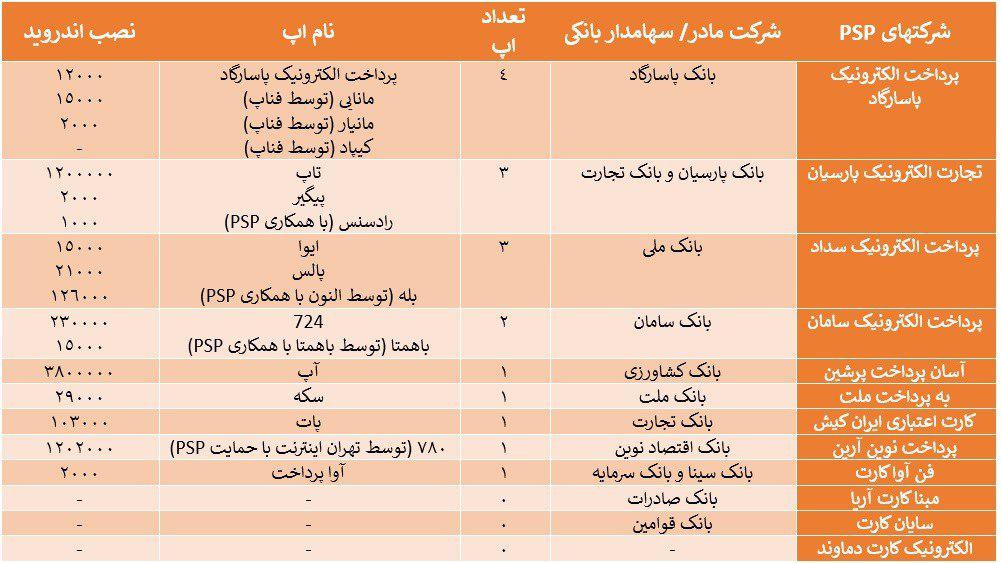
در حال حاضر بسیاری از کارآفرینان جوان در کشور با شناسایی نیازها و فرصت‌های مختلف موجود در این حوزه کار بر روی کسب‌وکارهای فین تکی کوچک و بزرگ را شروع کرده‌اند. مراکز دولتی و بانک‌ها نیز با وجود تمام کم‌وکاست‌ها و تاخیرها اخیرا در تلاشند تا به صورت جدی‌تری به این حوزه ورود پیدا کنند. اکر دوست دارید درمورد فعالیت بانک‌های ایرانی در زمینه‌ی فین‌تک بیشتر بدانید، نگاهی به این مطلب بیاندازید. در تصویر زیر اطلاعات مربوط به کسب‌وکارهای فین‌تکی ایرانی که توسط بانک‌ها راه افتاده‌اند را می‌توانید ببینید:

*تعداد نصب اندروید در زمان نگارش متن لحاظ شده است. تعداد نصب اندروید در زمان نگارش متن لحاظ شده است.

برای آشنایی با بازیگران ایرانی حوزه فین‌تک هم بد نیست سری به وب‌سایت راه پرداخت بزنید و این مطلب را مطالعه کنید.

چرا لازم است فین‌تک یاد بگیریم؟

فرصت‌های ایجاد شده در حوزه‌ی فین تک چه در سطح بین‌المللی و چه در سطح کشور و تحولاتی که فین‌تک در صنایع مالی در حال رقم زدن است نشان می‌دهند که فین‌تک دیگر در سطح یک نوآوری جدید که با فاصله‌ی زیادی از زندگی روزمره ما به آرامی در حال تغییر دادن صنایع مالیست نیست؛ بلکه در ساده‌ترین بخش‌های زندگی ما نیز به طور مستقیم و غیر مستقیم تاثیرگذار است و به مرحله پذیرش و استفاده‌ی عموم رسیده است. سازمان‌های مالی دولتی و غیر دولتی در حال حاضر رو به دیجیتالی شدن آورده‌اند و این فرآیند با سرعت بالایی در حال رخ دادن است. بدین ترتیب انتظار می‌رود در آینده فرصت‌های شغلی بیشتری در این صنعت ایجاد شوند. به علاوه تخصصی بودن این حوزه باعث شده این سازمان‌ها تمایل داشته باشند از پتانسیل‌های نیروی جوان متخصص و استارتاپ‌ها برای توسعه خدمات فین‌تکی خود استفاده کنند و در بسیاری موارد مایل به همکاری و برون‌سپاری یا حمایت از تولید کننده هستند.

چگونه فین‌تک یاد بگیریم؟

منابع آموزشی حوزه فین‌تک برای فارسی زبانان مانند اکثر منابع دیگر محدود است، اما همین منابع محدود مطالب بسیار مناسبی را تولید و منتشر می‌کنند. یکی از پرمخاطب‌ترین رسانه‌های موجود در این حوزه، راه پرداخت است که مطالب بسیار مفید از اخبار فین‌تک ایران و دنیا منتشر می‌کند. به‌علاوه راه پرداخت چندین کتاب ارزشمند نیز از جمله کتاب‌های The Fintech Book، Bye Bye Banks  را ترجمه و برای فروش ارائه کرده است.

عصر تراکنش نیز به عنوان اولین رسانه چاپی فین‌تک مطالب مفیدی را در این راستا چاپ و منتشر می‌کند.

البته دوره‌های آنلاین جامع و سودمند رایگان زیادی به انگلیسی در این حوزه وجود دارند؛ به عنوان مثال دانشگاه هنکنگ چندین دوره‌ی مفید در این زمینه طراحی و به رایگان در اختیار عموم قرار داده است:


با یک جستجوی ساده می‌توانید ده‌ها دوره‌ی رایگان و غیر رایگان انگلیسی دیگر هم پیدا کنید که می‌توانند به شما برای ورود به حوزه‌ی فین‌تک کمک کنند.

معرفی مدرسه فینتک + کد تخفیف برای ثبت نام در این دوره
دوره "مدرسه فین‌تک" یکی از دوره‌های آموزشی جامع فین‌تک است که با همکاری مرکز فینتک بانک انصار و باشگاه کارآفرینی تیوان هم‌اکنون در حال برگزاری در تهران و چندین شهر مختلف کشور است. مرکز نوآوری دانشگاه تبریز نیز بانی برگزاری این دوره در شهر تبریز است. این دوره شامل ۱۰ کارگاه و در مجموع ۵۰ ساعت آموزش تخصصی است که روزهای پنج‌شنبه در تیوان به صورت حضوری برگزار و محتوای آن به صورت همزمان و در قالب وبینارهایی در شهرستان‌ها در اختیار شرکت‌کنندگان قرار می‌گیرد. برگزاری این کارگاه‌ها از ۲۵ آذر شروع شده و تا ۲۹ آذر ماه ادامه خواهد داشت؛ با این‌حال می‌توانید برای هریک از کارگاه‌ها به صورت تکی نیز ثبت‌نام کنید. کافیست به صفجه‌ی مرکز نوآوری دانشگاه تبریز در ایوند مراجعه کنید و با دنبال کردن این صفحه از کارگاه‌های بعدی معطل شده و ثبت‌نام خود را انجام دهید. کارگاه بعدی این دوره روز پنج شنبه ۲۴ آبان برگزار خواهد شد و در آن به موضوع انقلاب صنعتی چهارم و تاثير آن بر روی شكل گيری مدل‌های اقتصادی جديد پرداخته خواهد شد.


کد تخفیف ثبت‌نام در دوره‌ی فین تک مرکز نوآوری دانشگاه تبریز برای یاران همیشگی فناوری به وقت تبریز:

tabrizio


What is FinTech - Tabriz.io

These days, we are witnessing the presence of businesses in the national media that participate as million-dollar sponsors in programs. Businesses like Haft Hashtad, which sponsors the Khandevaneh program, 3080, which sponsors the Dorehami program, Setareh 733 Marqab, Tap, Ap, and ... each of which has monopolized various television programs. However, the common point of all these businesses, which are increasing in number day by day, is their area of activity, namely the "FinTech" sector. Although the scope of these businesses may seem limited; the truth is that FinTech is much broader and more interesting than this, and currently, due to the growth of FinTech-based businesses, we are witnessing major changes in the financial industries worldwide. In this post, we intend to talk about FinTech and get acquainted with the transformations it has brought to the financial industries.

History of FinTech

The history of FinTech can be considered as old as the presence of technology in the world of economics. The first technology that facilitated financial services was the telegraph, which was used for signature verification in interbank transfers. Over the years, various technologies have emerged, each playing a significant role in the development of FinTech. Since the early 20th century and with the expansion of the internet, the speed of FinTech advancement accelerated. After the financial crisis of 2008, which transformed the world economy, the application of FinTech became more seriously discussed; governments, due to the enormous financial debts created by banks, sought to prevent such occurrences from happening again, and for this purpose, the presence of FinTech startups became increasingly prominent.

FinTech in Iran does not have a long history; if we consider the start of FinTech in Iran to coincide with the establishment of the first ATMs (1351), it is less than 50 years old. However, Iran's growth in this area has not been rapid in recent decades due to political and infrastructural reasons. Initial steps for a more serious application of technology in financial industries began in 1993, but from the 80s, banking technology in Iran saw faster growth, with the launch of the first internet bank, the first card transaction, the first online transaction, the first mobile transaction (USSD), the establishment of the first FinTech startup, and the first PayTech startup all occurring in this decade.

What is FinTech?

FinTech, or financial technologies (in English FinTech or Financial technology), refers to an industry in the world of economics that aims to make financial services more efficient and easier through the use of technology and innovative solutions. Generally, FinTech startups are those that operate in the financial sector and have innovative solutions.

To become more familiar with the concept of FinTech and the functions of this sector, you can take a look at this video, which is the first video in the educational series on FinTech by Ideh Pardazan:

.


.

Various Areas of FinTech

FinTech generally includes various services that can be divided into the following 9 categories.


  1. RegTech: Brokers in this area provide various services to reduce banks' costs, such as reducing penalties, and earn income through this.

  2. WealthTech: WealthTech can be referred to as the investment sector. Brokers in this area aim to reduce investment risk and provide more secure investments using modern technologies like artificial intelligence and Big Data.

  3. InsurTech: InsurTech refers to "innovative applications of technology for providing insurance services." In this area, brokers use technology to improve the provision, distribution, and management of insurance services for each customer using artificial intelligence, big data, and the Internet of Things.

  4. PayTech: PayTech, as its name suggests, relates to the payment sector. PayPal (paypal.com) is one of the successful global examples in this area. Activists in this field aim to simplify payment operations while maintaining payment security and saving time.

  5. BankTech: Activists in this area serve as a communication layer between banks and customers, allowing customers to utilize services from multiple banks.

  6. LendTech: This area facilitates crowdfunding for entrepreneurial projects. It provides a secure platform for individuals who wish to invest in a specific business that needs to obtain capital through means other than bank loans.

  7. PFM (Personal Financial Management): Brokers in this area assist you in better managing your finances using algorithms, artificial intelligence, and predicting your behaviors.

  8. Remittance: In short, the task of activists in the remittance sector can be considered as transferring money from one country to another.

  9. CryptoCurrency: This area also relates to cryptocurrency transactions.


How is FinTech Changing the Future of the Financial Sector?

Due to the focus of FinTech businesses on specific areas of finance, their proposed solutions are more efficient and suitable compared to banks that are engaged in providing diverse services. These companies accelerate operations and consequently save time. Another advantage that FinTech has over traditional banking is that the lesser pressure of central bank and government regulations allows FinTech companies more freedom compared to banks. Today, most banks in the world serve as providers of infrastructural services, and most banking services are offered through FinTech businesses. However, the FinTech sector in Iran is still in its early stages, and there is a noticeable gap for many startups in areas other than payments, which have received more attention in Iran.

It is predicted that in the near future, we will witness a diminishing role of banks (in the form of traditional banking) and the emergence of modern banking. Although today, with the presence of FinTech companies and the entry of some banks into this field, the possibility of carrying out most banking operations on the technology platform has been provided. Mobile payments (USSD), online payment gateways, international payments, personal accounting applications, and ... are all components of the FinTech industry.

To become more familiar with the revolution that FinTech is bringing to the financial services market, it would be worthwhile to take a look at this video:

.

Due to the extensive services of FinTech and the greater freedom of action these businesses have, the possibility of international activity has also been provided for them. The presence of the internet has rendered any form of border demarcation meaningless and has connected all people of the world, so everyone has the right to benefit from all the facilities of this world, of which international transactions are one, made possible today thanks to FinTech services. On the other hand, FinTech services promote transparency and easy access; so that users can access their financial service history anytime and anywhere.

FinTech is like a win-win game for customers and business owners. FinTech service providers aim to address the problems present in the traditional banking model and seize those opportunities to launch new businesses. Like many other innovations, FinTech is a user-friendly innovation, which becomes more significant when we remember that today we are witnessing the presence of Generation Y and Z, who have a much greater interest in using online services and innovative solutions. Generation Z has a strong inclination to do everything with smartphones and the internet, and according to surveys, 50% of this generation are not very inclined to use traditional banking services. Certainly, the next generation, raised by Generation Z, will be familiar with FinTech issues from the start, which will lead to increased demand in the FinTech sector.

10 billion dollars is the amount of investment that was made by investors in FinTech startups during the first three months of 2018. This figure amounts to 127 billion dollars from 2014 to 2018, with the highest investment in this sector occurring last year. The total investment that was allocated to these startups globally in 2017 exceeded 40 billion dollars. Unfortunately, there are no accurate statistics on the amount of investment in the FinTech sector in Iran, but what is quite evident is the interest of investors in this sector over the years. FinTech startups and health startups are among the most attractive sectors for investors. Among the FinTech accelerators in Iran, we can mention Finova, Farabi, NovinTag, TrigUp, Sharif, Dimond, and several other accelerators that focus more on accelerating FinTech startups.


The mentioned advantages are all considered as benefits of FinTech for businesses; but what benefits and added value does FinTech create for customers?
Technology has led to the creation of new payment methods such as mobile payments, payments with implanted chips, and ... In general, the advantages of FinTech for customers can be stated as follows: increased speed and accuracy in purchases and financial management, better control of expenses, no need to carry cash or even bank cards, and time savings.
Overall, the financial future can be considered as belonging to FinTech businesses, and not being aligned with it and lacking sufficient familiarity with this sector can lead to problems and even significant frauds.

Opportunities in the FinTech Industry in Iran

Currently, the attention of Iranian entrepreneurs interested in the FinTech sector is mainly focused on the PayTech area, with little attention being paid to other FinTech sectors; by examining FinTech startups (up to the end of 2017), there are about 70 startups in the FinTech sector in Iran, of which 3% are located in East Azerbaijan province. Among these 70 startups, more than 30 of them operate in the payment sector, which is considered the most popular FinTech area in Iran. The RegTech sector has the least number of FinTech startups in Iran; while with proper understanding of the banking system's mechanisms, significant income can be earned from more than 35 state and private banks.

Statistics of FinTech startups launched in Iran each year, categorized by area of activity Statistics of FinTech startups launched in Iran each year, categorized by area of activity

Given the great popularity that cryptocurrencies like Bitcoin have gained today, providing a platform for buying and selling based on these currencies is itself a very suitable potential that has a large and attractive market. Merging the LendTech sector with cryptocurrencies along with a Smart Contract is also an attractive idea that you can consider. Accordingly, with a little search on the internet and examining successful international FinTech businesses, you can easily identify other potentials in this sector. For example, by studying this report, you can

Currently, many young entrepreneurs in the country have started working on small and large FinTech businesses by identifying various needs and opportunities in this sector. Government centers and banks, despite all the shortcomings and delays, are also recently trying to enter this field more seriously. If you want to know more about the activities of Iranian banks in the FinTech sector, take a look at this article. In the image below, you can see information related to Iranian FinTech businesses that have been launched by banks:

*The number of Android installs at the time of writing this text has been taken into account. The number of Android installs at the time of writing this text has been taken into account.

To get acquainted with the Iranian players in the FinTech sector, it would also be good to visit the Way2Pay website and read this article.

Why is it necessary to learn FinTech?

The opportunities created in the FinTech sector, both internationally and nationally, and the transformations that FinTech is bringing to the financial industries indicate that FinTech is no longer a new innovation that is slowly changing financial industries with a significant distance from our daily lives; rather, it directly and indirectly influences the simplest aspects of our lives and has reached the stage of acceptance and general use. Government and non-government financial organizations are currently moving towards digitization, and this process is happening at a rapid pace. Thus, it is expected that more job opportunities will be created in this industry in the future. Additionally, the specialization of this sector has led these organizations to prefer to utilize the potentials of young specialized forces and startups for the development of their FinTech services, and in many cases, they are willing to collaborate and outsource or support producers.

How to learn FinTech?

Educational resources in the FinTech sector for Persian speakers, like most other resources, are limited, but these limited resources produce and publish very suitable content. One of the most popular media in this field is Way2Pay, which publishes very useful content about FinTech news in Iran and the world. Additionally, Way2Pay has translated and made available several valuable books, including The Fintech Book and Bye Bye Banks for sale.

Transaction Era also publishes useful content in this regard as the first printed FinTech media.

Of course, there are many comprehensive and beneficial free online courses available in English in this field; for example, Hong Kong University has designed several useful courses in this area and made them available to the public for free:


With a simple search, you can find dozens of other free and paid English courses that can help you enter the FinTech sector.

Introducing the FinTech School + Discount Code for Registration in this Course

The "FinTech School" course is one of the comprehensive FinTech training courses that is currently being held in Tehran and several other cities in collaboration with the FinTech Center of Ansar Bank and the Tivan Entrepreneurship Club. The Innovation Center of Tabriz University is also the organizer of this course in the city of Tabriz. This course includes 10 workshops and a total of 50 hours of specialized training, which are held in person on Thursdays at Tivan, and the content is simultaneously provided to participants in the form of webinars in other cities. The holding of these workshops started on December 15 and will continue until December 20; however, you can also register for each workshop individually. Just visit the page of Innovation Center of Tabriz University on Evand and follow this page to stay updated on upcoming workshops and register. The next workshop of this course will be held on Thursday, November 15, and will address the topic of the Fourth Industrial Revolution and its impact on the formation of new economic models.


Discount code for registration in the FinTech course at the Innovation Center of Tabriz University for the loyal friends of Technology at the Time of Tabriz:

tabrizio


برچسب‌ها: Tags: fintechارزهای رمزنگاری شدهاینشورتکبانک تکبیتکوینحوزه‌های فین تکرگ تکفین تکفین تک چیستفین‌تکلند تکولث تک

دیدگاه‌ها Comments

هنوز دیدگاهی ثبت نشده. No comments yet.