اکوسیستم استارتآپی شهر ما اکوسیستم جوانی است. استارتآپها و افراد بسیاری در میان ما هستند که هنوز در حال تجربه اولین روزهای استارتآپ نوبنیادشان هستند. از این رو هیچ بعید نیست که بارها و بارها دچار اشتباه شویم . هربار اشتباه، اتفاق تازهای را به ما خواهد آموخت ولی در اغلب اوقات تجربه نکردن دوباره تجربهها عاقلانهتر است. در اینجا پنج اشتباه متداول استارتآپهای تازهکاری را مینویسم که در دو سال اخیر خود و دوستانم بارها مرتکبشان شدهایم.
۱- محصول من باید از هر جهت کامل باشد
در بسیاری موارد، با افرادی مواجه شدهام که در ارائه محصول نهایی وسواس بیش از حدی به خرج دادهاند. نه اینکه وسواس و حساسیت چیز بدی باشد ولی میتواند برای یک کسبوکار نوپا مرگبار شود. هیچ استارتآپی با یک محصول بدون نقص آغاز به کار نکرده است. مخصوصا در ایران! چابک باشید، سریع ایدهی خود را اجرایی کنید و بازخورد مشتری را بسنجید.
دو سال پیش ایدهی راهاندازی سیستم پیشنهاد محتوا (ماننده Outbrain) را با دوستانم مطرح کردم و بارها جلسات تحلیلی با تیمهای مختلف برگزار کردیم و آنقدری سیستم را بزرگ و بزرگتر کردیم تا به این نتیجه رسیدیم که پیادهسازی آن نیازمند توانمندی پیچیدهای است، تا اینکه چند هفته پیش متوجه شدم چند استارتآپ مشابه در حالتی بسیار ابتدایی ایده را اجرایی کرده و پیش میبرند. برای آنها خوشحال شدم و برای خودم ناراحت به خاطر ایدهآل گرایی بیجایی که فرصت را از من گرفت.
۲- من میتوانم چندین کار را همزمان انجام دهم
جالب است بدانید که یکی از قوانین مهم شتابدهندهها این است که تیم استارتآپ هیچ کار دیگری جز تمرکز روی آن استارتآپ نداشته باشد. پس اگر تصور میکنید که بتوانید قبل از ظهرها در یک شرکت طراحی سایت کنید و بعد از ظهرها روی استارت آپتان کار کنید زیاد نباید امیدوار باشید. برای من جالب بود در جلسات مصاحبهای که با ۱۲ استارتآپ تبریز داشتیم، بیشترشان به استارتآپ خود بعنوان یک فعالیت فوق برنامه نگاه میکردند و کمتر کسی پیدا میشد که بگوید: من زندگیام را صرف این کار کردهام و تا موفق نشود دست بردارش نیستم!
البته اشکالی ندارد اگر فعالیتهایی را برای زنده ماندن! پیش ببریم ولی میبایست تمام انرژی خود را روی یک هدف متمرکز کنیم وگرنه استارتآپ به یک مشغولیت تبدیل میشود تا یک کسبوکار.
ایدهپردازی تنها شروع کار است و هر ایدهای که در این مرحله باقی بماند و اجرا نشود هیچ ارزشی ندارد
۳- ۱۰۰ میلیون تومان به من بدهید تا موفق شوم
تصور سوم غلط و مهلک در اینجاست که تصور میکنیم پول بزرگترین مشکل ماست. یک استارتآپ شبیه به یک ساندویچ فروشی نیست که هرقدر پول بیشتری برایش خرج شود موفقتر شود (حتی ساندویچ فروشی هم اینطور نیست! ولی موفقیتش محتملتر است!) در بسیاری مواقع مشکل ما در عدم مطالعه و نداشتن خلاقیت است. برای همین است که خیلی از دوستان، به محض اینکه به یک پروتوتایپ اولیه میرسند، در به در دنبال سرمایهگذار میگردند تا تبلیغات گستردهای را آغاز کنند و یک شبه ره چند ساله بروند.
دوستی داشتم که اصرار داشت، به سرمایهگذار نیاز دارد. وقتی پرسیدم چقدر پول میخواهی گفت: هرچهقدر بیشتر بهتر! هر قدر تبلیغات بیشتر باشد بازده بیشتر است! این تصور غلط را باید از ذهن پاک کنیم که مهمترین نیاز ما پول است. ما بیشتر از هر چیزی به آموزش و تجربه نیاز داریم.
افرادی که به دنبال پولهای بزرگ برای موفقیت هستند اغلب همان کسانیاند که از لو رفتن ایدهشان میترسند و همیشه تصور میکنند کسی سایهبهسایه در تعقیب آنهاست تا ایدهشان را بدزدد. قطعا چنین طرز رفتاری با یک ایدهی استارتآپی امضای حکم مرگ آن است.
۴- "اگر" چنین چیزی بسازم، "حتما" همه از آن استقبال میکنند
نمیدانم چگونه به این اگرها پیمیبریم. پیش رفتن بر اساس فرضیات و بدون دریافت بازخورد کاربران بیشتر شبیه به خودزنی است تا راه انداختن یک کسبوکار نوپا چرا که در نهایت به این نتیجه میرسیم که: هنوز مردم شهر به اندازه استارتآپ من شعور ندارند!
واقع بین باشیم و بازخورد واقعی ۱۰۰ مشتری اولمان را معیار تصمیمگیری قرار دهیم. بر پایه اثر دانینگ کروگر به تدریج و باگذر زمان و افزایش تخصص ماست که به واقعیتهای موجود پی میبریم وگرنه در همان ابتدا همهمان میپنداریم که بهترین محصول را ساختهایم و از بقیه بیشتر میدانیم.
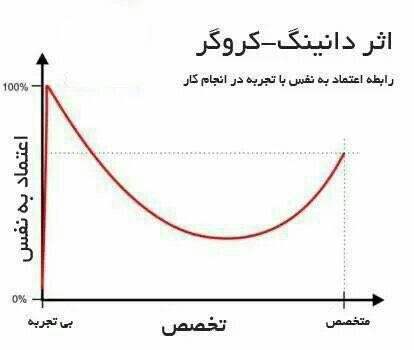 اثر دانینگ کروگر
۵- من باهوشترین فرد اتاق هستم
باهوشترین نفر در تیم بودن به معنای موفقیت نیست. ممکن است شما رهبری تیم را به عهده داشته باشید ولی بهتر است اعضای تیم شما از افراد باهوشی تشکیل شده باشد که هر روز ایدههای جدیدی در ذهن شما جرقه بزند. هنر شما در مدیریت ایدههای گوناگون در کنار یکدیگر است و نه باهوشترین نفر تیم بودن.
اتفاق بدتر این است که ما به حرفهای افراد بیرون از تیم هم با جان و دل گوش نمیسپاریم. اغلب ادای گوش کردن را درمیآوریم و ترجیح میدهیم کاری را که از نظر خودمان درستتر است انجام دهیم و همین است که ناگهان متوجه میشویم در حال چرخیدن دور سر خودمان هستیم.
Our city's startup ecosystem is a young ecosystem. There are many startups and individuals among us who are still experiencing the early days of their newly founded startups. Therefore, it is not surprising that we make mistakes over and over again. Each mistake will teach us something new, but often it is wiser not to repeat experiences. Here, I will write about five common mistakes that new startups have made repeatedly over the past two years, both myself and my friends.
1- My product must be perfect in every way
In many cases, I have encountered individuals who have been overly meticulous in delivering the final product. Not that being meticulous and sensitive is a bad thing, but it can be deadly for a startup. No startup has ever started with a flawless product. Especially in Iran! Be agile, quickly implement your idea, and measure customer feedback.
Two years ago, I proposed the idea of launching a content recommendation system (like Outbrain) to my friends, and we held several analytical sessions with different teams, expanding the system until we concluded that implementing it required complex capabilities, until a few weeks ago when I realized that several similar startups were executing the idea in a very preliminary state. I was happy for them and sad for myself due to the unreasonable idealism that cost me the opportunity.
2- I can do several tasks simultaneously
Interestingly, one of the important rules of accelerators is that the startup team should not have any other work besides focusing on that startup. So if you think you can design websites in the mornings and work on your startup in the afternoons, you shouldn't be too hopeful. I found it interesting that in the interview sessions we had with 12 startups in Tabriz, most viewed their startup as an extracurricular activity, and few could be found who said: I have dedicated my life to this work and will not give up until I succeed!
Of course, it is fine if we carry out activities to survive! But we must focus all our energy on one goal; otherwise, the startup becomes a pastime rather than a business.
Ideation is just the beginning, and any idea that remains at this stage and is not executed has no value
3- Give me 100 million Toman to succeed
The third misconception is that we think money is our biggest problem. A startup is not like a sandwich shop that the more money you spend on it, the more successful it becomes (even a sandwich shop is not like that! But its success is more probable!) In many cases, our problem lies in a lack of study and creativity. This is why many friends, as soon as they reach an initial prototype, frantically search for investors to start extensive advertising and achieve years of progress overnight.
I had a friend who insisted he needed an investor. When I asked how much money he wanted, he said: the more, the better! The more advertising there is, the greater the return! This misconception that our most important need is money must be cleared from our minds. We need education and experience more than anything else.
People who seek large sums of money for success are often the same ones who fear their idea being leaked and always think someone is shadowing them to steal their idea. Such behavior is definitely a death sentence for a startup idea.
4- "If" I build something like this, "surely" everyone will welcome it
I don't know how we come to these ifs. Proceeding based on assumptions and without receiving user feedback is more akin to self-harm than starting a new business, as we ultimately conclude that: the people of the city do not have the intelligence to appreciate my startup!
Let's be realistic and use the actual feedback from our first 100 customers as a decision-making criterion. Based on the Dunning-Kruger effect, it is gradually with the passage of time and our increasing expertise that we come to realize the existing realities; otherwise, at the very beginning, we all think we have created the best product and know more than others.
Dunning-Kruger effect
5- I am the smartest person in the room
Being the smartest person on the team does not mean success. You may lead the team, but it is better that your team members consist of smart individuals who spark new ideas in your mind every day. Your skill lies in managing various ideas together, not in being the smartest person on the team.
The worse thing is that we do not listen wholeheartedly to the words of people outside the team. We often pretend to listen and prefer to do what we think is right, and this is how we suddenly realize we are just spinning around ourselves.


من خودم جزو افرادی بودم که وسواس خیلی زیادی تو ارائه محصول داشتم و این باعث شد تا چندین بار بدون این که بتونم محصول رو ارائه بدم پروژه رو رها کنم ، و انقدر این اشتباه رو مرتکب شدم تا بالاخره یاد گرفتم که "تکامل امریست تدریجی" Thank you for your beautiful article
I myself was one of those people who had a lot of obsession with product presentation, and this caused me to abandon the project several times without being able to present the product, and I made this mistake so many times until I finally learned that "evolution is a gradual process"