در دنیا امروز دیتا و نحوه نگهداری آن از اهمیت فوق العاده ای برخوردار است. لذا تکنولوژی های مختلفی به این منظور گسترش یافته است و این روند همچنان رو به گسترش است. نظر اهمیت این موضوع و آشنایی بیشتر خوانندگان گرامی با آن، برآن شدم تا طی سلسله مقالاتی، تکنولوژی های ذخیره سازی اطلاعات را بر پایه کورس +Storage ، معرفی کنم. طبعا" گستردگی موضوع سبب خواهد تا قادر به پوشش تمامی زوایای آن نباشم اما تلاش میکنم تا مفاهیم پایه ای را تبیین نمایم.
دوره + Storage، توسط شرکت CompTIA و SNIA طراحی گردیده است که از بزرگترین شرکت هایی هستند که در زمینه Data Storage فعالیت میکند.
دیوایس های گوناگونی برای ذخیره سازی دیتا مورد استفاده قرار می گیرند که مشهورترین آنها SAN است. SAN مخفف عبارت storage area network است. با توجه به مفهوم این عبارت می توان گفت : " SAN در واقع یک Device نیست بلکه یک Network است که در پس زمینه سرور قرار می گیرد (A network behind the server ) “
سیستمهای ذخیره سازی از نظر نحوه عملکرد به دو دسته تقسیم می شوند :
الف- Primary Storage : که در واقع RAM سیستم است و برنامه ها برای اجرا در آن load می شوند.
ب- Secondary Storage: دیسک سخت سیستم است که دیتا را نگهداری می کند.
باید توجه داشت که در اکثر موارد آنچه در مورد سرعت یک سیستم، گلوگاه می شود، Secondary Storage است.
DAS چیست ؟
DAS یک نوع Secondary Storage است و مخفف عبارت directly attached storage می باشد و به هر نوع Storage گفته می شود که مستقیما" به سرور متصل شده باشد.
Enclosure چیست ؟
یک Device است که چندین هارد دیسک را نگهداری می کند، Power آنها را فراهم می کند و با مکانیسم خاصی اجازه ارتباط همزمان آنها را با Device های دیگر می دهد. مانند :
HP D2700 Disk enclosure
همچنین Enclosure امکانی را فراهم می کند که بتوان چندین دیسک را با یک Controller مدیریت کرد. با اتصال مستقیم یک Enclosure به سرور، یک DAS ایجاد می گردد.
نکته ای در مورد Enclosure باید به آن دقت کرد آن است کهHard Disk هایی که برای یک Enclosure خریداری می شود باید در ACL کمپانی آن Enclosure وجود داشته باشد. همچنین در صورت ساپرت ، می توان از سه نوع هارد دیسک از نوع SATA,SAS یا SSD با مقادیر مختلف بر روی یک Enclosure استفاده کرد. ولی بهتر است نوع و سایزH.D.D های استفاده شده بر روی یک Enclosure یکسان باشند.
مزایا و معایب DAS :
هزینه پایینی دارد ، تنظیمات آن ساده و Web Based است.hard disk های آن را میتوان RAID نمود. Decentralized Storage System است و در نتیجه مدیریت مرکزی آن ممکن نیست و اگر تعداد سرورها زیاد بشود ، مدیریت آن مشکل می شود. چند disk enclosure را نمی توان با هم HA نمود. همچنین Performance پایینی دارد.
مسئله مهم این است که هر مشکلی که برای سروری که DAS به آن متصل می شود، پیش بیاید و از دسترس خارج شود، دیتای قرار گرفته برروی آن DAS نیز دیگر قابل دسترسی نخواهد بود.
NAS چیست ؟
NAS نوع دیگری از Secondary Storage است و مخفف عبارت Network attached storage میباشد NAS یک نوع Device است که عملکردی مشابه File Server دارد. OS آن معمولا لینوکسی است . البته NAS با OS ویندوز نیز وجود دارد. سیستم عامل ارائه شده توسط مایکروسافت برای این موضوع windows storage server نام دارد که بصورت OEMs (Original equipment manufacturers) عرضه شده است . Storage ، NASخود را در اختیار کاربران شبکه قرار می دهد.
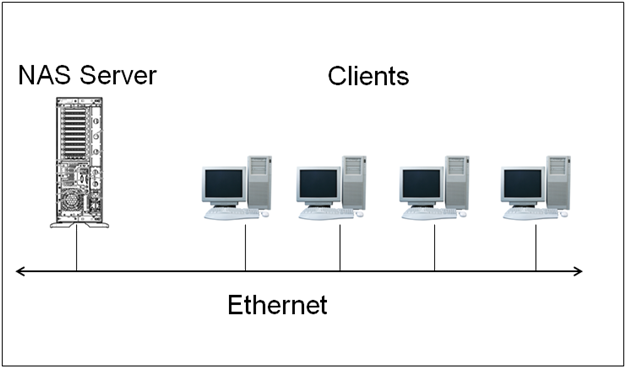

NAS وابستگی به سرورهای خاصی ندارد ، هم NFS و هم CIFSرا پشتیبانی میکند یعنی هم با سیستم های ویندوزی و هم با سیستم های لینوکسی کار می کنند و به Network متصل می شود.
SAN چیست ؟
همانگونه که در ابتدا آمد، SAN مخفف عبارت storage area network است. SAN نیز مانند NAS Storage خود را در اختیار کاربران شبکه قرار می دهد اما تفاوت های عمده ای میان آنها وجود دارد که در ذیل به آنها اشاره می شود:
1- NAS بصورت file based عمل می کند بدین معنا که storage خود را با یک فایل سیستم مانند NFS فرمت می کند، دیتا بر روی این storage فرمت شده قرار می گیرد واین دیتا است که در اختیار سیستم های مختلف قرار می گیرد اما Storage ، SAN خود را به صورت RAW (خام) در اختیار یک سیستم قرار می دهد و این سیستم می تواند این Storage را با فایل سیستم مورد نظر خود ، فرمت کند.
2- Disk controller ها در SAN ، دارای feature هایی هستند که در NAS وجود ندارد.
البته باید دانست که برخی از مدل های SAN می توانند NAS هم باشند.
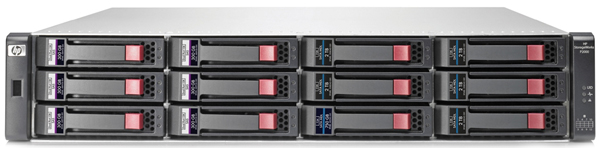 HP-MSA-2040 SAN Storage
همانگونه که قبلا" نیز ذکر شد، SAN یک Network است که کار اصلی آن جا به جا کردن دیتا میان سرورها و نیز storage element ها نظیر Tapeمیباشد.
SANها معمولا از یک Dedicated network استفاده می کنند که در این Network یا از یک fabric switch و یا از یک Ethernet switchاستفاده می شود. اگر پروتکل مورد استفاده در Fibre Channel، SANباشد، سوئیچ مورد استفاده Fabric Switch و اگر این پروتکل ISCSI باشد، سوئیچ مورد استفاده Ethernet ( مثلا 3750 Cisco ) خواهد بود.
نکته یک : دو مدیای اصلی انتقال دیتا، Copper (مس) و Fiber Optic (فیبر نوری) است. همچنین همانگونه که در بالا ذکر شد پروتکلی بنام Fibre Channel وجود دارد. برای آنکه بین این پروتکل و فیبرنوری تمایز قائل شودند و نشان دهند که بستر پروتکل Fibre Channel الزاما" نباید فیبرنوری باشد، نگارش این پروتکل را به صورت “Fibre Channel” انجام می دهند.
نکته دو : امروزه امکان انتقال Packetهایی با پروتکل ISCSI بر روی WIFI نیز پدید آمده است. این بدان معناست که SANهایی پدید آمده اند که دارای کارت شبکه Wireless هستند.
امکان اتصال مستقیم یک SAN به سرورها، به طوری که هیچ شبکه ای میان آنها وجود نداشته باشد، وجود دارد. به اینگونه اتصال SAN که بر اساس DAS Topology انجام می شود، DAS Based می گویند.
SAN Router:
SAN Routerها Device هایی هستند که از یک طرف تکنولوژی Fibre channelو از طرف دیگر تکنولوژی های IP based را ساپرت می کنند. از San Routerها هنگامی استفاده می شود که تکنولوژی انتقال در مبدا با تکنولوژی انتقال در شبکه میانه و یا در شبکه مقصد متفاوت باشد بطور مثال در شبکه مبدا از تکنولوژی Fibre channelو در شبکه واسط از تکنولوژی MPLS یا در شبکه مقصد از تکنولوژی IP based(Ethernet) استفاده شده باشد.
یکی از مهمترین مزایای استفاده از SAN، مفهوم Consolidation است. بدین معنا که Storage تمامی سرورها، متمرکز می گردد. لذا مدیریت آن و Backup از آن، ساده تر خواهد بود. اما با وجود یک SAN مشکل Single Point Failure پدید خواهد آمد. لذا برای حل این مشکل باید از وجود دو SAN استفاده شود و این SANها باید توانایی انجام Replication به صورت Controller Based را داشته باشند.
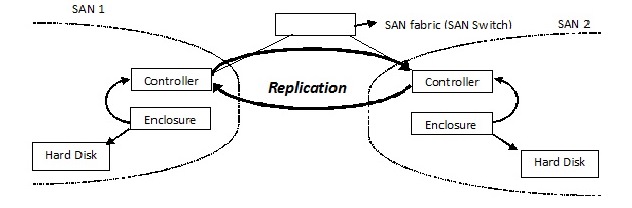
در SANهای سری EVA شرکت Device ، HPهای Controller و Enclosure جداگانه هستند و Controller با کابل های SAS بهEnclosure ها متصل می گردد اما در برخی از سری ها مانند MSA P2000 ، یک Device واحد را تشکیل می دهند.
تعداد Enclosureهایی که یک Controllerمی تواند ساپرت کند، بسته به مدلSAN متفاوت است. تمامی دستورات Read و Write و بطور کلی دستورات عملیاتی را Controller صادر می کند. نرم افزار Controller برخی از SAN ها، Replication را ساپرت می کنند. در این صورت می گوییم آن SAN بصورت Controller Based توانایی انجام Replication را دارد.
Replication می تواند به دو فرم Sync و Async انجام شود. در فرم Data، Sync به صورت همزمان که توسط یک Write، Controller می شود، با Controller دوم Replicate می شود و در Enclosure دوم Write می شود. در فرم Async، در زمان های Schedule شده، یکSnapshot ازLUN واقع بر روی Enclosure اول گرفته می شود و با Controller دوم Replicate می شود تا توسط Controller دوم بر روی Enclosure دوم، Write شود.
MSA P2000 G3 به صورت Async، عملیات Replication را انجام می دهد.
اگر یک SAN ، بصورت Controller Based قادر به Replication نباشد، این امکان وجود دارد که از یک Deviceحد واسط میان دو SAN استفاده شود تا این Deviceعملیات Replication میان دو SAN را انجام دهد.
در سیستم های قدیمی همراه با Controller، یک سرور بنام SAN Server وجود داشت که نرم افزار مدیریتی SAN بر روی آن نصب میشد. در سیستم های جدید نرم افزار مدیریتی بر روی خود Controller نصب است و نیازی به SAN server نیست و حذف شده است.
In today's world, data and the way it is stored are of utmost importance. Therefore, various technologies have been developed for this purpose, and this trend continues to expand. Considering the importance of this topic and to familiarize esteemed readers with it, I have decided to introduce data storage technologies based on the +Storage course through a series of articles. Naturally, the breadth of the topic will mean that I may not be able to cover all its aspects, but I will strive to clarify the fundamental concepts.
The +Storage course is designed by CompTIA and SNIA, which are among the largest companies active in the field of Data Storage.
Various devices are used for data storage, the most famous of which is SAN. SAN stands for storage area network. Considering the meaning of this term, it can be said: "SAN is not actually a Device but a Network that is placed behind the server (A network behind the server).”
Storage systems are divided into two categories based on their operation:
A- Primary Storage: which is actually the system's RAM where programs are loaded for execution.
B- Secondary Storage: the hard disk of the system that stores data.
It should be noted that in most cases, what bottlenecks the speed of a system is the Secondary Storage.
What is DAS?
DAS is a type of Secondary Storage and stands for directly attached storage, referring to any type of Storage that is directly connected to the server.
What is Enclosure?
It is a Device that holds multiple hard disks, provides their Power, and allows simultaneous communication with other Devices through a specific mechanism. For example:
HP D2700 Disk enclosure
Additionally, the Enclosure provides the capability to manage multiple disks with a single Controller. By directly connecting an Enclosure to the server, a DAS is created.
One point to note about the Enclosure is that the Hard Disks purchased for an Enclosure must exist in the ACL of the company of that Enclosure. Also, if supported, three types of hard disks of SATA, SAS, or SSD with different capacities can be used on one Enclosure. However, it is better that the type and size of the H.D.Ds used on one Enclosure are the same.
Advantages and Disadvantages of DAS:
It has a low cost, its configuration is simple and Web Based. Its hard disks can be configured in RAID. It is a Decentralized Storage System, and as a result, central management is not possible, and if the number of servers increases, managing it becomes difficult. Multiple disk enclosures cannot be made HA together. It also has low Performance.
The important issue is that any problem that arises for the server to which DAS is connected will make the data on that DAS inaccessible.
What is NAS?
NAS is another type of Secondary Storage and stands for Network attached storage. NAS is a type of Device that functions similarly to a File Server. Its OS is usually Linux-based. However, NAS also exists with Windows OS. The operating system provided by Microsoft for this purpose is called Windows Storage Server, which is offered as OEMs (Original equipment manufacturers). NAS provides its Storage to network users.
NAS does not depend on specific servers, supports both NFS and CIFS, meaning it works with both Windows and Linux systems and connects to the Network.
What is SAN?
As mentioned at the beginning, SAN stands for storage area network. SAN, like NAS, provides its Storage to network users, but there are significant differences between them, which are mentioned below:
1- NAS operates in a file-based manner, meaning it formats its storage with a file system like NFS, data is placed on this formatted storage, and this data is made available to various systems, while SAN provides its Storage in RAW format to a system, which can format this Storage with its desired file system.
2- Disk controllers in SAN have features that are not present in NAS.
However, it should be noted that some models of SAN can also be NAS.
HP-MSA-2040 SAN Storage
As previously mentioned, SAN is a Network whose main function is to transfer data between servers and storage elements such as Tape.
SANs typically use a Dedicated network, which employs either a fabric switch or an Ethernet switch. If the protocol used in Fibre Channel is SAN, the switch used is a Fabric Switch, and if this protocol is ISCSI, the switch used will be Ethernet (for example, 3750 Cisco).
Note One: The two main media for data transfer are Copper and Fiber Optic. Also, as mentioned above, there is a protocol called Fibre Channel. To distinguish between this protocol and fiber optics and to indicate that the infrastructure for the Fibre Channel protocol does not necessarily have to be fiber optic, this protocol is written as “Fibre Channel.”
Note Two: Nowadays, it is possible to transfer Packets with the ISCSI protocol over WIFI as well. This means that SANs have emerged that have Wireless network cards.
It is possible to directly connect a SAN to servers in such a way that there is no network between them. This type of connection, which is based on DAS Topology, is called DAS Based.
SAN Router:
SAN Routers are Devices that support Fibre Channel technology on one side and IP-based technologies on the other. SAN Routers are used when the transmission technology at the source differs from the transmission technology in the intermediate network or the destination network. For example, Fibre Channel technology is used in the source network, and MPLS technology is used in the intermediate network, or IP-based technology (Ethernet) is used in the destination network.
One of the most important advantages of using SAN is the concept of Consolidation. This means that the Storage of all servers is centralized. Therefore, managing it and backing it up will be easier. However, with the presence of a SAN, the problem of Single Point Failure will arise. To solve this problem, two SANs should be used, and these SANs must have the ability to perform Replication in a Controller Based manner.
In the EVA series SANs of Device company, HP's Controllers and Enclosures are separate, and the Controller is connected to the Enclosures with SAS cables, but in some series like MSA P2000, they form a single Device.
The number of Enclosures that a Controller can support varies depending on the SAN model. All Read and Write commands and generally operational commands are issued by the Controller. The Controller software of some SANs supports Replication. In this case, we say that the SAN has the ability to perform Replication in a Controller Based manner.
Replication can be performed in two forms: Sync and Async. In the Sync form, data is replicated simultaneously by a Write from the Controller to the second Controller and written in the second Enclosure. In the Async form, at scheduled times, a Snapshot of the LUN located on the first Enclosure is taken and replicated with the second Controller to be written on the second Enclosure.
MSA P2000 G3 performs Replication in Async mode.
If a SAN is not capable of Replication in a Controller Based manner, it is possible to use a Device as an intermediary between two SANs to perform Replication between them.
In older systems, along with the Controller, there was a server called SAN Server on which the SAN management software was installed. In new systems, the management software is installed on the Controller itself, and there is no need for a SAN server, which has been eliminated.


مهرداد - mcse Thank you very much
Mehrdad - mcse